
Dog Care Training Collar Manual PDF: A Comprehensive Guide
Slopehill’s detailed PDF guides installation, operation, and maintenance, ensuring a smoother training experience for both you and your canine companion, starting today – 12/14/2025.
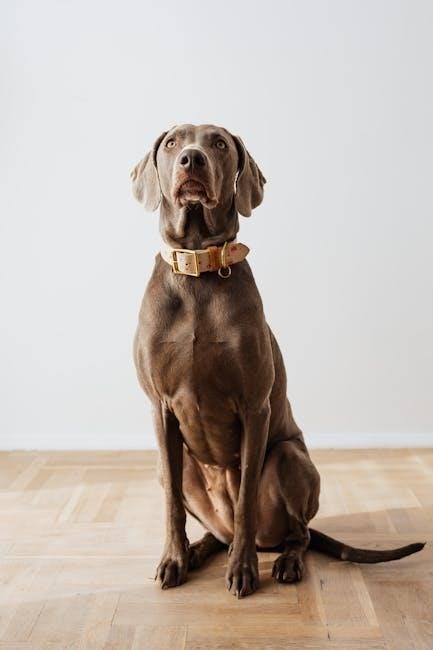
Understanding Training Collars
Dog training collars are valuable tools when used responsibly, aiding in communication and behavioral modification. They aren’t quick fixes, but rather components of a comprehensive training plan. A Slopehill manual emphasizes understanding why a collar is needed – addressing specific behavioral issues like excessive barking, leash pulling, or recall problems.
Effective use requires patience, consistency, and a focus on positive reinforcement. The manual details how collars work by providing a stimulus – static correction, vibration, or tone – to interrupt unwanted behaviors. Crucially, it stresses the importance of pairing these stimuli with verbal commands and rewards to create positive associations. Proper understanding, guided by the PDF, is key to safe and ethical training.
Types of Dog Training Collars
Slopehill’s manual categorizes collars into three primary types: Remote, Automatic, and GPS. Remote training collars offer adjustable stimulation levels (static, vibration, tone) controlled by a handheld device, ideal for focused training. Automatic collars, often “bark control” models, activate upon detecting barking, aiming to discourage the behavior.
GPS training collars combine location tracking with training features, useful for dogs with roaming tendencies. The PDF details the strengths and weaknesses of each type, helping owners select the best fit for their dog’s needs and their training goals. Understanding these distinctions, as outlined in the manual, is crucial for effective and responsible use.
Remote Training Collars (Static, Vibration, Tone)
Slopehill’s manual extensively covers remote collars, highlighting their versatility. These collars utilize three stimulation types: static correction, vibration, and audible tone. The PDF emphasizes starting with the lowest setting and gradually increasing as needed. It details how static provides a clear boundary, vibration offers a gentler nudge, and tone serves as a remote command cue.
Proper usage, as described, involves pairing stimulation with verbal commands and positive reinforcement. The manual stresses avoiding excessive correction and focusing on rewarding desired behaviors. Understanding the nuances of each stimulation type is key to successful, humane training.
Automatic Training Collars (Bark Control)
Slopehill’s manual dedicates a section to automatic bark control collars, explaining their function – responding to barking with pre-set corrections. The PDF details adjustable sensitivity levels to prevent false triggers from other sounds. It clarifies the different correction types available, often including spray, vibration, or static stimulation.
The guide stresses the importance of identifying the cause of excessive barking before relying solely on the collar. It cautions against using these collars as a quick fix, advocating for addressing underlying anxiety or boredom. Proper fit and consistent use, as outlined, are crucial for effectiveness.
GPS Training Collars
Slopehill’s manual thoroughly explains GPS training collars, highlighting their advanced features for remote tracking and training. The PDF details how to utilize geofencing – creating virtual boundaries – and receive alerts when your dog leaves a designated area. It clarifies the importance of cellular network coverage for real-time tracking functionality.
The guide emphasizes responsible use, stressing that GPS collars are tools for safety and shouldn’t replace attentive supervision. It explains how to interpret map data and understand battery life considerations for extended outdoor adventures, ensuring peace of mind on 12/14/2025.
Reading a Dog Training Collar Manual PDF
Slopehill’s PDF manual is your essential resource for understanding your new training collar. It’s crucial to review the entire document before use, starting with locating the correct manual online via the manufacturer’s website – accessible as of 12/14/2025.
Pay close attention to key sections detailing operation, safety, and troubleshooting. The manual outlines specific features and functions, ensuring proper setup and effective training. Understanding the warnings and precautions is paramount for responsible and ethical dog training, maximizing benefits for both you and your pet.
Locating the Manual Online
Slopehill provides easy access to your dog training collar manual in PDF format directly on their official website. As of today, 12/14/2025, navigate to the “Support” or “Downloads” section. Search using your specific model number for a precise match.
Alternatively, a general search engine query like “[Slopehill model number] manual PDF” will often yield results. Ensure the source is legitimate to avoid outdated or incorrect information. Downloading directly from Slopehill guarantees you have the most current and accurate guide for optimal collar operation and safety.
Key Sections of a Typical Manual
A comprehensive Slopehill dog training collar manual PDF generally includes several crucial sections. Expect a detailed “Product Overview” outlining features and components, followed by “Setup Instructions” for charging and fitting – vital as of 12/14/2025.
“Operation Guide” explains remote functions and settings. A significant portion covers “Training Methods,” emphasizing responsible use. “Troubleshooting” addresses common issues, and “Safety Precautions” are paramount. Finally, “Maintenance” details cleaning and care, ensuring longevity of your training tool.
Safety Precautions & Warnings
Slopehill manuals prioritize safety, stressing that training collars aren’t a quick fix – remember today’s date, 12/14/2025. Never use on puppies under six months or aggressive dogs. Always start with the lowest stimulation level and observe your dog’s reaction carefully.
Avoid prolonged stimulation. The manual will warn against leaving the collar on for extended periods. It emphasizes recognizing stress signals and immediately ceasing training if observed. Misuse can cause undue stress or injury; responsible ownership is key.
Setting Up Your Training Collar
Slopehill’s manual guides you through initial setup, crucial for effective training – remember today is 12/14/2025. Begin by fully charging both the collar receiver and the remote transmitter, following the specified charging times. Next, ensure a snug, yet comfortable, fit for the collar; it shouldn’t be too tight or loose.
Understand the remote’s range and signal strength indicators. Test the connection in your training area. The manual details how to adjust settings for optimal performance, preparing you for successful training sessions.
Charging the Collar and Remote
Slopehill’s manual emphasizes proper charging procedures – a vital step on 12/14/2025. Utilize the provided charging cable and adapter only. The collar and remote have separate charging ports; refer to the diagrams in the PDF. Initial charging may take several hours to reach full capacity.
A full charge typically provides [X] hours of use (check your specific model’s manual). Avoid overcharging, as it can damage the battery. The manual indicates LED light signals for charging status – red for charging, green for full.
Adjusting the Collar Fit
Slopehill’s manual, dated 12/14/2025, stresses a snug, but comfortable fit. The collar should be tight enough to maintain contact with your dog’s skin, but loose enough to allow one finger to slide underneath. Incorrect fit can lead to discomfort or ineffective training.
Carefully measure your dog’s neck circumference before adjusting. The manual provides detailed instructions and diagrams for proper adjustment. Regularly check the fit, especially during active training sessions, to ensure it remains secure and comfortable for your pet.
Understanding Range and Signal Strength
Slopehill’s manual, current as of 12/14/2025, details the operational range of your specific model – crucial for effective training. Signal strength can be affected by environmental factors like terrain and obstructions (buildings, trees).
The manual explains how to test the range in your training area. It also clarifies the meaning of signal strength indicators on the remote. Understanding these factors ensures consistent communication with your dog, maximizing training success and preventing frustrating interruptions during sessions.
Basic Training Techniques with a Collar
Slopehill’s manual, updated 12/14/2025, emphasizes positive reinforcement alongside collar use. Begin by introducing the collar gradually, associating it with rewards. The guide details how to integrate the collar’s signals (tone, vibration, static) with established commands like “sit” or “stay”.
Precise timing is key; the manual stresses correlating the signal immediately with the desired behavior. It cautions against overuse and advocates for a balanced approach, prioritizing praise and treats for successful responses, fostering a positive learning environment.
Positive Reinforcement & Collar Integration
Slopehill’s manual (dated 12/14/2025) strongly advocates pairing collar signals with immediate positive reinforcement. The goal isn’t correction, but clear communication. Reward desired behaviors – a calm response to a tone, for example – with high-value treats and enthusiastic praise.
The PDF details how to fade reliance on the collar over time, transitioning to verbal cues alone. It emphasizes that the collar is a tool to guide learning, not a replacement for consistent, reward-based training methods, building a stronger bond.
Introducing the Collar (Desensitization)
Slopehill’s manual, current as of 12/14/2025, prioritizes a gradual desensitization process. Begin by simply letting your dog wear the collar for short periods, associating it with positive experiences like treats or playtime.
The PDF instructs owners to then introduce the remote, pressing the button without any stimulation, again paired with rewards. Slowly increase stimulation levels, observing your dog for any signs of stress. This careful approach, detailed in the guide, minimizes fear and builds a positive association.
Commands & Collar Timing
Slopehill’s manual, updated 12/14/2025, emphasizes precise timing. The PDF stresses delivering the collar stimulation concurrently with your verbal command, not as a punishment after the undesired behavior;
For example, say “Stay” and then apply a brief, low-level stimulation if the dog moves. Immediately release the stimulation upon compliance. The guide highlights the importance of clear, consistent commands and immediate feedback, fostering understanding and preventing confusion during training sessions. Proper timing is key to success!
Troubleshooting Common Issues
Slopehill’s comprehensive PDF, dated 12/14/2025, dedicates a section to resolving typical problems. It addresses scenarios like a collar failing to respond, often due to low batteries or incorrect pairing with the remote. The manual details remote pairing procedures and battery replacement instructions.
Furthermore, it covers diminished battery life, suggesting checking stimulation levels and usage frequency. The guide advises consulting the FAQ section online for more detailed solutions and contacting customer support if issues persist. Don’t hesitate to seek assistance!
Collar Not Responding
Slopehill’s manual, current as of 12/14/2025, immediately suggests checking the battery levels within both the collar receiver and the remote transmitter as the primary cause. Ensure proper charging, referencing the ‘Charging the Collar and Remote’ section.
Verify the collar is powered on and within range of the remote. Confirm correct pairing; the manual details re-pairing steps. Inspect the contact points for dirt or damage. If the issue persists, consult the troubleshooting FAQ online or contact Slopehill support for further assistance.
Remote Not Pairing
Slopehill’s manual, updated 12/14/2025, details a specific pairing procedure. First, ensure both the remote and collar are sufficiently charged. Then, locate the pairing button on each device – the manual provides clear diagrams. Press and hold both buttons simultaneously until a successful pairing indicator (usually a light or tone) is observed.
If pairing fails, move the devices closer together, minimizing potential interference. Reset both devices following the manual’s instructions. Contact Slopehill support if repeated attempts are unsuccessful, referencing your device’s serial number.
Battery Life Problems
Slopehill’s manual (dated 12/14/2025) addresses battery concerns. Reduced battery life can stem from frequent, high-intensity stimulation use; Lowering stimulation levels and utilizing tone/vibration modes conserves power. Ensure the charging cable is securely connected and using a compatible power source.
Fully discharge and recharge the battery periodically for optimal performance. If the battery drains rapidly even with minimal use, or fails to hold a charge, contact Slopehill support for potential replacement options, providing your device’s serial number.
Safety Considerations & Ethical Use
Slopehill’s manual (as of 12/14/2025) emphasizes humane training. Avoid punishment-based methods; focus on positive reinforcement alongside collar use. Recognize stress signals – tucked tail, lip licking, yawning – and immediately cease training if observed.
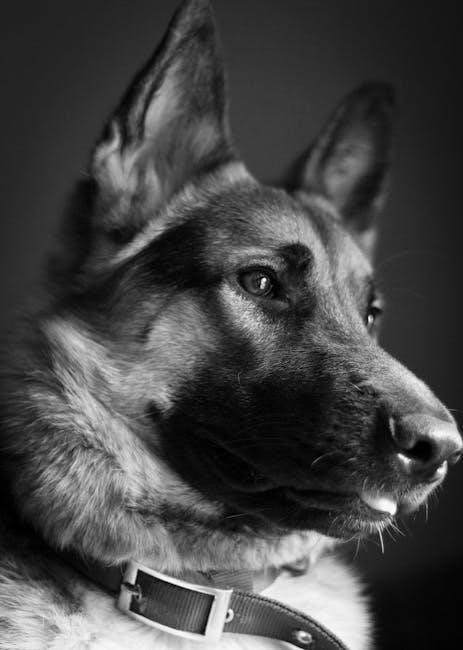
Prioritize your dog’s well-being. Understand local regulations regarding electronic training aids. Responsible ownership includes proper collar fit, appropriate stimulation levels, and consistent, patient training. The manual strongly advises against prolonged or excessive corrections, promoting a safe and ethical training experience.
Avoiding Punishment-Based Training
Slopehill’s manual, current as of 12/14/2025, strongly discourages using the collar for punitive measures. The device isn’t intended to inflict pain or fear. Instead, focus on marking desired behaviors and redirecting unwanted ones.
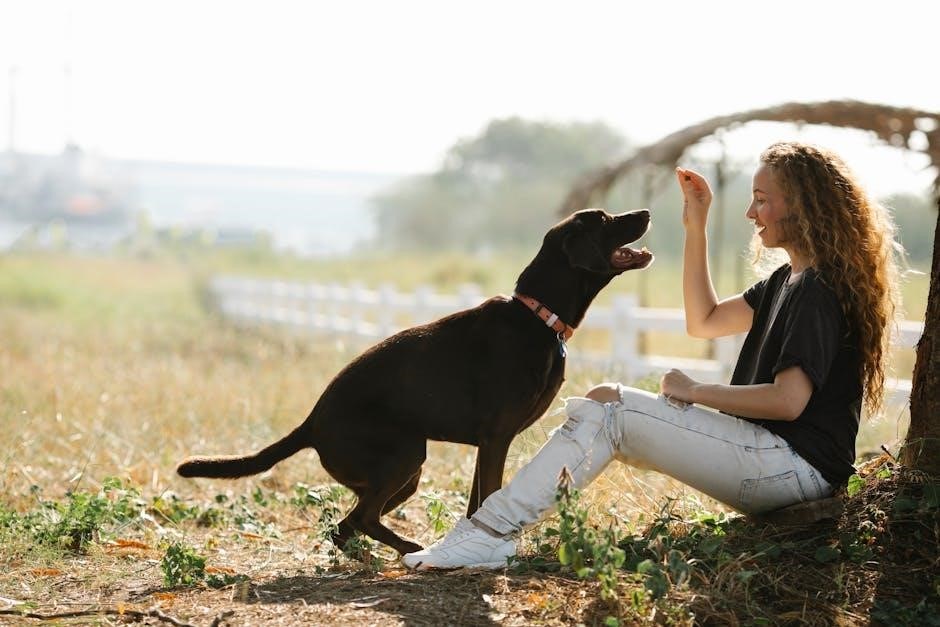
Employ the collar as a communication tool, not a correction. Pairing the stimulation with positive reinforcement creates a clear association. Avoid harsh or escalating levels. Punishment can damage your bond and create anxiety. Ethical training prioritizes building a trusting relationship through reward-based methods, as detailed within the PDF guide.
Recognizing Dog Stress Signals
Slopehill’s manual (updated 12/14/2025) emphasizes observing your dog’s body language during training. Signs of stress include whale eye (whites of eyes showing), lip licking, yawning (when not tired), tucked tail, flattened ears, and panting (when not hot).
If you notice these signals, immediately reduce the stimulation level or end the session. Ignoring stress can lead to fear and anxiety. The PDF guide details how to adjust training based on your dog’s individual responses, promoting a safe and positive learning environment. Prioritize your dog’s well-being above all else.
Legal Regulations & Responsible Ownership
Slopehill’s comprehensive PDF manual (dated 12/14/2025) stresses the importance of understanding local laws regarding electronic training collars. Regulations vary by region; responsible ownership demands compliance.
The guide advises checking city and county ordinances before use. Furthermore, it highlights ethical considerations – collars should never be used to inflict pain or fear. Proper training focuses on communication and positive reinforcement. Owners are legally and morally obligated to use these tools responsibly, prioritizing their dog’s welfare and public safety.
Maintenance and Care
Slopehill’s December 14, 2025, PDF manual emphasizes regular maintenance for optimal performance and longevity. Cleaning the collar and remote with a damp cloth (never submerged) is crucial.
Proper storage, away from extreme temperatures and direct sunlight, prevents damage. The manual details how to safely replace batteries and contact points, ensuring consistent signal transmission. Routine checks for wear and tear are vital. Following these guidelines, as outlined in the PDF, guarantees a reliable training experience and extends the product’s lifespan.
Cleaning the Collar and Remote
Slopehill’s dog training collar manual PDF, dated December 14, 2025, instructs users to clean both the collar and remote regularly. Use a slightly damp cloth to wipe away dirt and debris; avoid harsh chemicals or abrasive cleaners.
Never submerge the units in water. Ensure both are completely dry before reassembling or charging. Pay particular attention to the contact points, cleaning them gently to maintain effective conductivity. This simple maintenance, detailed in the PDF, ensures hygienic use and optimal performance during training sessions.
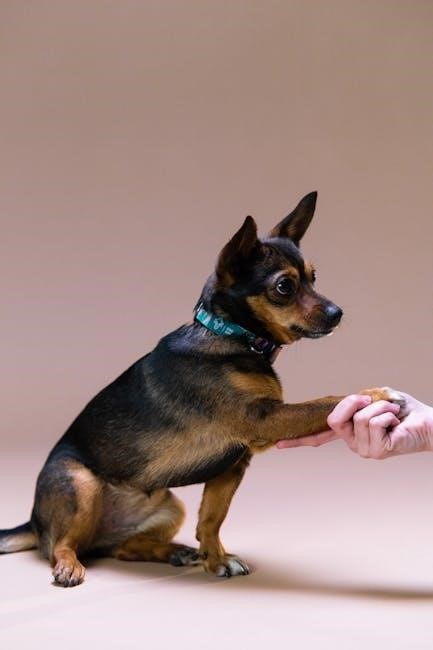
Storing the Collar Properly
Slopehill’s dog training collar manual PDF, current as of December 14, 2025, emphasizes proper storage for longevity. When not in use, store the collar and remote in a cool, dry place, away from direct sunlight and extreme temperatures.
Avoid storing with other electronic devices that could interfere with the signal. The manual recommends a protective case or bag to prevent scratches and damage. Proper storage, as outlined in the PDF, safeguards your investment and ensures readiness for future training sessions with your beloved pet.

Replacing Parts (Batteries, Contact Points)
Slopehill’s dog training collar manual PDF, updated December 14, 2025, details component replacement. Regularly check battery life and replace with the specified type – detailed in the manual – to maintain optimal performance. Contact points wear over time; the PDF instructs on safe removal and replacement, ensuring consistent contact and effective training.

Always disconnect power before any part replacement. Using only genuine Slopehill replacement parts, as noted in the manual, guarantees compatibility and avoids potential damage to the system, preserving its functionality for continued use.