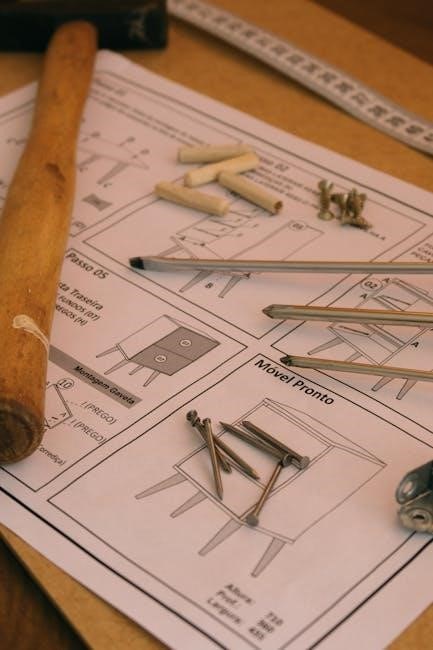
Intex Pool Assembly Instructions: A Comprehensive Guide
This guide provides detailed instructions for assembling your Intex pool, covering everything from initial setup to water balancing and ongoing maintenance for a refreshing experience.
Remember to always prioritize safety and carefully follow all provided instructions throughout the entire assembly process, ensuring a secure and enjoyable pool season.
Welcome to the world of backyard fun with your new Intex pool! This section introduces the assembly process, emphasizing the importance of careful planning and adherence to provided instructions. Intex offers a diverse range of pools, from easy-set inflatable models to robust metal frame structures, each requiring a slightly different approach.
Successful assembly hinges on understanding the components and following a systematic procedure. Before you begin, familiarize yourself with the manual and ensure you have adequate space and assistance. Proper setup guarantees a safe, enjoyable, and long-lasting swimming experience for you and your family.
Let’s dive in and get started!
Safety Precautions Before You Begin
Prioritizing safety is paramount during Intex pool assembly. Always read and understand all instructions before commencing. Continuous and competent adult supervision is crucial, especially around water. Ensure the assembly area is clear of obstructions and potential hazards.
Be mindful of electrical connections; never work with electrical components while standing in water or with wet hands; Proper grounding is essential. Keep children and pets away from the assembly site during the process. Following these precautions minimizes risks and ensures a secure setup for years of enjoyment.
Remember: safety first!
Unboxing and Inventory: What’s in the Box?
Carefully unpack all components from the Intex pool packaging. Lay everything out in an organized manner to facilitate easy identification. The box should contain the pool liner, frame supports, filter pump, hoses, fittings, and an instruction manual.
Begin by identifying each component using the manual’s parts list; Crucially, check against the list to ensure all parts are present. Missing parts can delay assembly. Note any discrepancies immediately and contact Intex customer support for replacements. A thorough inventory prevents frustration and ensures a smooth installation process.

Identifying Pool Components
Familiarize yourself with each part before starting. The Intex pool package includes a vinyl liner – often blue – and metal frame supports, typically consisting of uprights and horizontal ledgers. The filter pump unit has a motor, filter cartridge housing, and various hose connections.
Hoses and fittings are essential for water circulation. Identify the different types of connectors and clamps. The instruction manual provides diagrams illustrating each component. Knowing what each piece is called and how it looks will significantly streamline the assembly process, preventing confusion later on.
Checking for Missing Parts
Before you begin assembly, carefully compare the contents of your Intex pool box against the parts list in the manual. This crucial step prevents frustrating delays mid-construction. Verify you have all frame supports, liner, pump, hoses, fittings, and any included accessories.
Note any discrepancies immediately. Contact Intex customer support if parts are missing; do not attempt to substitute components. Keeping the packaging and receipt handy will expedite the replacement process. A complete inventory ensures a smooth and successful pool setup, avoiding unnecessary setbacks.
Choosing the Right Location for Your Pool
Selecting the ideal spot is paramount for a successful Intex pool installation. Prioritize a completely level surface to ensure even weight distribution and prevent structural stress. Avoid areas with significant slopes or uneven terrain. Thoroughly inspect the chosen location for potential hazards like rocks, roots, or sharp objects.
Crucially, be aware of underground utilities – gas lines, electrical cables, or water pipes. Contact your local utility companies to mark these before digging. Sunlight exposure and proximity to trees (reducing debris) are also important considerations for optimal enjoyment.
Level Ground Requirements
Achieving a perfectly level surface is non-negotiable for Intex pool safety and longevity. Even a slight incline can cause uneven water distribution, stressing the frame and liner. Utilize a long level and straight edge to check for variations across the entire pool footprint.
Minor imperfections can be corrected with sand, carefully leveled and compacted. Significant slopes may require professional grading. Remember, a stable, level base prevents potential collapses and ensures the pool maintains its intended shape throughout the season, maximizing enjoyment and minimizing risks.
Avoiding Underground Utilities
Before commencing any digging or pool placement, meticulously identify and mark all underground utility lines. Contact your local utility companies and request they locate and flag gas, electric, water, and sewer lines in your yard – this is a crucial safety step.
Failure to do so could result in severe damage, service disruptions, or even life-threatening situations. Maintain a safe distance from any identified lines, exceeding minimum clearance requirements. Prioritize safety; a damaged utility line can lead to costly repairs and potential hazards.
Preparing the Ground for Pool Installation
Proper ground preparation is vital for a stable and long-lasting pool setup. Begin by thoroughly clearing the chosen location of all rocks, sticks, roots, and any other debris that could puncture the pool liner. A smooth, level surface prevents uneven stress and potential damage.
Next, carefully remove any sharp objects. Consider using a ground cloth or protective layer beneath the pool to provide an extra barrier against punctures and to create a more comfortable surface. This step significantly extends the life of your Intex pool liner.
Removing Rocks and Debris
Before laying down your Intex pool, meticulous removal of rocks and debris is absolutely crucial. Carefully inspect the entire area, hand-picking any stones, twigs, roots, or sharp objects. Even small pebbles can cause punctures in the pool liner, leading to leaks and costly repairs.
Thoroughly rake the ground and feel for any hidden hazards. A level surface is important, but safety from potential punctures takes precedence. Take your time during this step; a well-prepared base ensures a longer lifespan and more enjoyable swimming experience.
Using a Ground Cloth or Protective Layer
Employing a ground cloth or protective layer beneath your Intex pool is highly recommended. This acts as an additional barrier against punctures from unseen debris, roots, or imperfections in the ground. It also helps to cushion the liner, extending its lifespan and preventing wear and tear.
Choose a material specifically designed for pool use, avoiding tarps that may retain water and promote algae growth. Ensure the cloth extends beyond the pool’s perimeter for complete protection. This simple step significantly reduces the risk of damage and contributes to a smoother, more enjoyable pool season.
Assembling the Pool Frame (Metal Frame Pools)
Begin by laying out all frame components and identifying each part according to the manual. Connect the frame supports, ensuring each piece clicks securely into place. Work systematically around the pool’s perimeter, gradually building the circular or rectangular structure.
Double-check all connections for tightness and proper alignment. A stable frame is crucial for supporting the water weight and maintaining the pool’s shape. Avoid forcing connections; if a piece doesn’t fit easily, re-examine the instructions. Prioritize a level and robust frame before proceeding to liner installation.
Connecting Frame Supports
Start by connecting the base rails, ensuring the pre-drilled holes align correctly. Insert the vertical legs into the designated slots on the base rails, applying gentle pressure until they lock into position. Next, attach the top rails to the vertical legs, again verifying proper alignment and secure connections.
Utilize the provided clips or pins to fasten the rails together, guaranteeing a sturdy and stable frame. Regularly check each connection point during assembly to prevent any loosening or misalignment. A properly connected frame is fundamental for the pool’s structural integrity.
Ensuring Frame Stability
Once the frame is assembled, meticulously inspect all connections – base rails, vertical legs, and top rails – to confirm they are securely fastened with clips or pins. Gently apply pressure to various points of the frame to identify any potential weaknesses or wobbles.
If instability is detected, re-tighten connections or adjust leg positions as needed. Leveling the ground beneath the pool is crucial; use shims if necessary. A stable frame prevents liner damage and ensures safe water containment, providing a worry-free swimming experience.
Installing the Pool Liner
Carefully unfold the pool liner and gently place it inside the assembled frame, ensuring the seams are aligned with the pool’s shape. Begin by centering the liner and loosely spreading it out, avoiding any immediate stretching or pulling.
Work your way around the perimeter, gradually smoothing the liner against the frame walls. Take your time to minimize wrinkles and creases, as these can lead to uneven water distribution and potential liner stress. A warm, sunny day makes the liner more pliable and easier to manage during installation.
Spreading the Liner Evenly
To achieve a smooth installation, gently spread the liner, starting from the center and working outwards towards the frame. Avoid pulling or stretching the material excessively, as this can cause premature wear or damage. Use your hands to smooth out any minor wrinkles as you go, ensuring a snug fit against the pool walls.
Periodically step back to assess the liner’s overall position and make adjustments as needed. A well-spread liner is crucial for proper water distribution and prevents localized stress points, contributing to the longevity of your Intex pool.
Avoiding Wrinkles and Creases
Minimize wrinkles by carefully unfolding the liner and allowing it to warm up in the sun, increasing its flexibility. Gently massage out any creases with your hands, working from the center outwards. Avoid pulling forcefully, which can damage the vinyl.
Small wrinkles may disappear as the pool fills with water, but larger, persistent creases should be addressed immediately. A smooth liner ensures even water distribution and prevents stress points, extending the life of your Intex pool. Patience is key for a flawless finish!
Filling the Pool with Water
Begin filling the pool slowly, using a garden hose with a spray nozzle set to a gentle flow. As the water level rises, periodically check the liner’s position, ensuring it remains evenly distributed and isn’t bunching up or shifting. Adjust as needed to prevent wrinkles and maintain a symmetrical shape.
Initial water should cover the liner completely, weighing it down and helping it conform to the pool’s frame. Continue filling gradually, monitoring for any signs of instability or liner movement. A controlled fill minimizes stress and ensures a secure setup.
Initial Water Level and Liner Adjustment
As you begin filling, the initial water level is crucial for proper liner placement. Start with just enough water to cover the bottom of the pool, allowing the liner to stretch and settle. Carefully smooth out any wrinkles or creases that appear, working from the center outwards.
Gently pull and adjust the liner as the water rises, ensuring it’s evenly distributed against the pool walls. This prevents uneven stress and potential damage. Continue this process incrementally, adding water in stages and making adjustments until the liner is fully seated.
Monitoring Liner Position During Filling
Throughout the filling process, consistently monitor the liner’s position. Pay close attention to the walls and bottom, addressing any emerging wrinkles or bunching immediately. Uneven filling can cause significant liner distortion, potentially leading to premature wear or even tears.
Regularly walk around the pool, gently smoothing the liner with your hands or a soft brush. Small adjustments made early on are far easier to manage than larger corrections later. Ensure the liner remains taut and evenly distributed as the water level increases, maximizing its lifespan.
Setting Up the Filter Pump and Plumbing
Proper filter pump setup is crucial for maintaining clean and safe pool water. Begin by carefully connecting all hoses and fittings, ensuring they are securely tightened to prevent leaks. Refer to your pump’s manual for specific connection diagrams and instructions.
Before powering on, prime the pump by filling it with water – this removes air and allows it to function efficiently. Double-check all connections for tightness after priming. A correctly installed and primed pump will effectively circulate and filter the water, contributing to a healthier swimming environment.
Connecting Hoses and Fittings
Begin by identifying all hoses and fittings included with your Intex filter pump system. Carefully attach the intake and outlet hoses to the designated ports on both the pump and the pool wall openings. Ensure a snug fit, often requiring hose clamps for added security – do not overtighten!
Pay close attention to the direction of flow indicated on the pump housing. Incorrect hose connections can hinder water circulation. Inspect all connections for leaks before proceeding, and use Teflon tape on threaded fittings for a watertight seal.
Priming the Pump
Before starting the pump, it’s crucial to prime it – removing air from the pump housing and hoses. Ensure the pump is switched off during this process. Open the pump’s air relief valve, typically located on top.
Slowly fill the pump housing with water using a hose or bucket until water flows steadily from the relief valve. Close the valve tightly. This step is vital for preventing damage to the pump impeller. Now, with all connections secure, you can cautiously power on the pump and monitor for proper operation.
Electrical Connections and Safety
Always prioritize electrical safety when connecting your Intex pool pump. Use a Ground Fault Circuit Interrupter (GFCI) outlet, specifically designed to protect against electrical shock. Never use extension cords unless absolutely necessary, and if so, ensure they are heavy-duty, outdoor-rated, and GFCI protected.
Inspect all electrical connections for damage before use. Keep the pump and electrical components away from the pool water. If you are unsure about any electrical aspect, consult a qualified electrician for assistance – safety is paramount.
Pool Chemical Balancing Basics
Maintaining proper water chemistry is crucial for a safe and enjoyable swimming experience. Test the water regularly for pH, alkalinity, and sanitizer levels using a reliable test kit. Ideal pH should be between 7.2 and 7.8, and alkalinity between 80-120 ppm.
Use chlorine or bromine as a sanitizer, following product instructions carefully. Shock the pool periodically to eliminate contaminants. Always add chemicals to water, never water to chemicals, and store them safely away from children and pets.
Maintaining Water Clarity and Hygiene
Regular pool maintenance ensures sparkling clean and healthy water. Skim the surface daily to remove leaves and debris. Vacuum the pool floor weekly to eliminate settled dirt and algae. Clean the filter regularly, following the manufacturer’s instructions – backwashing for sand filters, cleaning cartridges for cartridge filters.
Circulate the water adequately with the pump, typically 8-12 hours daily. Monitor water chemistry consistently and adjust as needed. Consider using a pool cover when not in use to reduce debris and chemical loss, promoting hygiene.
Troubleshooting Common Assembly Issues
Liner slippage can occur during filling; stop, gently reposition, and continue slowly. Frame instability often results from uneven ground – ensure a perfectly level base. Check all frame connections are secure and properly locked. Inspect the liner for punctures or tears, repairing with a patch kit if necessary.
If the pump isn’t priming, verify all connections are tight and the water level is sufficient. Address any wrinkles in the liner by carefully smoothing them out as the pool fills. Consult the manual for specific troubleshooting steps related to your Intex model.
Liner Slippage

Liner slippage is a common issue during initial filling; it’s usually caused by uneven ground or improper liner placement. Immediately stop filling the pool if you notice the liner shifting. Gently reposition the liner, ensuring it’s evenly distributed across the pool base. Resume filling slowly, frequently checking and adjusting the liner’s position.
Ensure the ground is completely level and free of debris. Consider using a ground cloth for added protection and to prevent punctures. Avoid stretching the liner excessively during installation, as this can contribute to slippage. Small adjustments during filling are key to a secure fit.
Frame Instability
Frame instability often arises from uneven ground or improperly connected frame supports. Double-check all connections, ensuring each pole and joint is securely locked into place. Verify the pool is situated on perfectly level ground; use leveling tools if necessary. Reinforce the frame with additional supports if the ground is slightly uneven.
Avoid over-tightening connections, as this can damage the frame. Regularly inspect the frame throughout the season for any signs of bending or loosening. Promptly address any instability issues to prevent potential collapse and ensure pool safety.
Winterizing Your Intex Pool
Proper winterization protects your Intex pool from freezing damage. Begin by thoroughly cleaning the pool and balancing the water chemistry. Remove all accessories, including the filter pump and heater, storing them indoors. Lower the water level below the skimmer opening, and use a winterizing plug to seal it.
Add a winterizing chemical kit to prevent algae growth and water stagnation. Cover the pool with a durable winter cover, securing it tightly to withstand wind and snow. Regularly check the cover throughout winter for debris accumulation and water pooling.
Intex Pool Accessories: Enhancing Your Experience
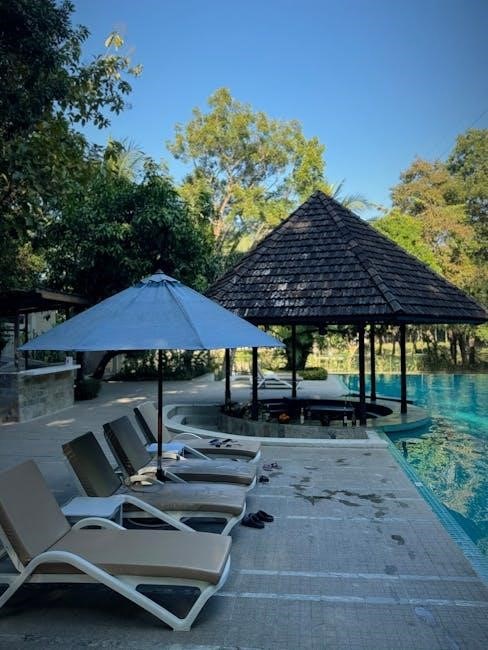
Intex offers a wide array of accessories to elevate your pool enjoyment. Consider adding a ladder for easy entry and exit, and a ground cloth to protect the liner. Enhance water cleanliness with a compatible filter pump and regularly used chemical kits.
For added fun, explore floating toys, games, and underwater lights. Safety accessories like pool alarms and covers are essential for peace of mind. Don’t forget maintenance tools like a telescoping pole, leaf skimmer, and vacuum for effortless upkeep, maximizing your pool time!
Understanding Your Intex Pool Manual
Your Intex pool manual is a crucial resource, containing vital safety guidelines and detailed assembly instructions. Carefully read and understand all sections before beginning installation, paying close attention to warnings and cautions. The manual outlines specific component identification, proper setup procedures, and maintenance schedules.
It also details troubleshooting tips for common issues, warranty information, and customer support contact details. Refer to the manual throughout the pool’s lifespan for optimal performance and longevity, ensuring a safe and enjoyable swimming experience. Keep it readily accessible!
Warranty Information and Customer Support
Intex offers warranties on its pools and components, varying by product line and region. Review your manual for specific coverage details, registration requirements, and claim procedures. Proper installation, following the manual’s instructions, is often crucial for warranty validity.
For assistance, Intex provides customer support through various channels, including a website with FAQs, email support, and a customer service phone line. Keep your purchase receipt and model number handy when contacting support. Promptly address any issues to ensure timely resolution and maintain your pool’s integrity.
Frequently Asked Questions (FAQs)
Q: Can I assemble the pool myself? A: Yes, many Intex pools are designed for DIY assembly, but assistance is recommended for larger models. Q: What if parts are missing? A: Contact Intex customer support immediately with your purchase details and a list of missing components.
Q: How long does assembly take? A: Assembly time varies based on pool size and complexity, ranging from a few hours to a full day. Q: Is a permit required? A: Check local regulations regarding pool permits before beginning installation. Q: What about ground preparation? A: Level ground is essential; remove debris and consider a protective layer.
Resources for Additional Help
Intex’s official website offers a wealth of information, including downloadable manuals, troubleshooting guides, and replacement parts ordering. YouTube is a fantastic resource, hosting numerous video tutorials demonstrating Intex pool assembly step-by-step.
Online forums dedicated to pools and backyard recreation provide a platform to connect with other owners, share experiences, and seek advice. Intex customer support is available via phone and email to address specific concerns. Don’t hesitate to utilize these resources for a smooth and successful pool setup!

Pool Maintenance Schedule
Daily checks include skimming the surface for debris and inspecting the water level. Weekly tasks involve testing and balancing the water chemistry – pH, alkalinity, and sanitizer levels – to maintain hygiene.
Monthly routines should include a thorough filter cleaning and inspection of all plumbing connections. Seasonal upkeep, particularly before and after swimming season, requires winterizing or opening procedures. Consistent adherence to this schedule ensures a clean, safe, and enjoyable swimming experience throughout the year.
Disassembly and Storage Instructions
Proper disassembly begins with draining the pool completely and carefully removing all accessories like the pump and filter. Thoroughly clean and dry the liner before folding it loosely to prevent creases and damage.
Disassemble the frame, cleaning each component and storing it in a dry location. Protect all parts from extreme temperatures and pests during storage. Following these steps ensures your Intex pool remains in excellent condition for years of future enjoyment, simplifying reassembly next season.