Pressure canning offers a safe method for preserving low-acid foods‚ and a Presto pressure canner is a popular choice. Sonoma County offers gauge testing!
Many users report issues with lids and reaching proper pressure‚ often linked to gasket problems or valve sealing. Proper maintenance is key.
Ensure the air vent/cover lock is secure before use‚ and always follow the manual for safe operation and optimal results.
What is Pressure Canning?
Pressure canning is a method of preserving food by heating it to a high temperature – 240°F (116°C) – inside a sealed canner. This temperature is significantly higher than boiling water‚ making it essential for safely preserving low-acid foods like vegetables‚ meats‚ and poultry.
Unlike water bath canning‚ which relies on boiling water to create a vacuum seal‚ pressure canning achieves sterilization through pressurized steam. The Presto pressure canner creates this environment‚ eliminating harmful bacteria like Clostridium botulinum‚ which can cause botulism – a potentially fatal illness.
The manual emphasizes the importance of following precise processing times and pressures‚ dictated by the food type and altitude. Proper venting and achieving the correct pressure are crucial steps‚ as detailed in the Presto instructions. A faulty gasket or pressure gauge can compromise safety‚ so regular inspection is vital.
Why Choose a Presto Pressure Canner?
Presto pressure canners are renowned for their reliability and user-friendly design‚ making them a popular choice for both beginner and experienced home canners. The manual highlights their durable construction and consistent performance‚ ensuring safe and effective food preservation.
A key benefit is the availability of free gauge testing services‚ like those offered in Sonoma County by UC Master Food Preservers‚ ensuring accurate pressure readings. Many users appreciate the clear instructions and readily available support resources.
While some users initially encounter issues with sealing or reaching pressure‚ these are often easily resolved by checking the gasket‚ valve‚ and following the manual’s troubleshooting tips. Presto offers a range of models to suit different needs and budgets‚ making home canning accessible to all.
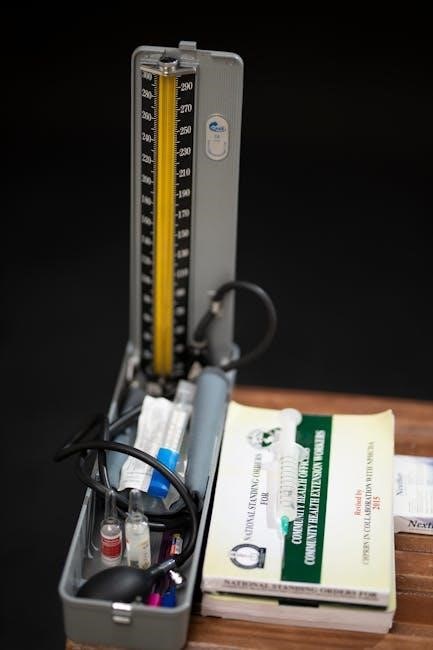
Understanding Your Presto Pressure Canner
Presto canners feature specific components‚ and the manual details each part’s function. Familiarize yourself with the lid‚ gauge‚ and vent for safe operation.
Proper understanding‚ as outlined in the manual‚ is crucial for successful and safe canning practices.
Components of a Presto Pressure Canner
The Presto pressure canner manual meticulously details each component‚ vital for safe operation. The lid secures the canning process‚ featuring a robust locking mechanism and a pressure gauge for monitoring internal pressure. The vent pipe and steam vent regulate pressure release‚ crucial for preventing accidents.
A gasket creates a tight seal between the pot and lid‚ preventing steam leaks. The pressure regulator‚ placed on the vent pipe‚ maintains the desired pressure level. The air vent/cover lock ensures proper sealing‚ and the canner pot itself holds the jars and liquid. Understanding each part‚ as described in the manual‚ is paramount for successful and safe home canning.
Regular inspection of these components‚ guided by the manual‚ ensures optimal performance and longevity of your Presto canner.
Types of Presto Pressure Canners
The Presto pressure canner manual outlines various models designed for different canning needs. Traditional models feature a weighted gauge‚ relying on steam pressure to regulate canning‚ offering simplicity and reliability. Newer digital models boast precise electronic pressure sensors and digital displays‚ providing enhanced control and accuracy.
Presto also offers different sizes‚ ranging from smaller 6-quart canners suitable for individual use to larger 16-quart models for bulk canning. Some models are specifically designed for electric stovetops‚ while others are compatible with gas or coil ranges. The manual details the specific features and operating instructions for each type.
Choosing the right Presto canner‚ as guided by the manual‚ depends on your canning volume and preferred level of control.
Safety Features
The Presto pressure canner manual emphasizes several crucial safety features. A key component is the overpressure plug‚ designed to release excess pressure in case the vent pipe becomes blocked‚ preventing explosions. The lid lock mechanism ensures the canner cannot be opened while pressurized‚ safeguarding against burns.
Presto canners also include a safety relief valve‚ providing an additional layer of protection against excessive pressure buildup; Regular inspection of the gasket‚ as detailed in the manual‚ is vital for maintaining a secure seal and preventing steam leaks.
Proper venting‚ as described in the manual‚ is essential before pressurizing‚ ensuring all air is removed. Always follow the manual’s instructions to operate the canner safely.
Preparing for Canning
Presto manual guidance stresses gathering jars‚ preparing them correctly‚ and following food safety guidelines. Inspect gaskets and ensure proper sealing before starting.
Soaking gaskets in hot water can improve their fit‚ and a secure lid is paramount for safe preservation.
Gathering Supplies
According to the Presto manual‚ successful pressure canning begins with assembling all necessary supplies. This includes‚ of course‚ your Presto pressure canner itself‚ ensuring it’s in good working order with a tested gauge – Sonoma County offers free gauge testing for Presto models!
You’ll need appropriate canning jars‚ lids‚ and rings; jars should be free of chips and cracks. New lids are recommended for each use to guarantee a proper seal. Essential tools include a jar lifter‚ a wide-mouth funnel‚ a bubble remover/headspace tool‚ and clean cloths for wiping jar rims.
Don’t forget your chosen food‚ prepared according to tested recipes‚ and sufficient water for the canner. Having extra gaskets on hand is also wise‚ as issues with the gasket are frequently reported‚ potentially preventing the canner from reaching adequate pressure.
Jar Preparation
The Presto manual emphasizes meticulous jar preparation for safe canning. Begin by thoroughly washing jars in hot‚ soapy water‚ or running them through a dishwasher cycle. Inspect each jar carefully for any nicks‚ cracks‚ or chips – damaged jars should be discarded.
Jars must be sterilized before filling‚ especially for processing times under 10 minutes. Sterilization can be achieved by boiling jars for 10 minutes‚ or by keeping them hot in the dishwasher. Lids require separate preparation; heat them in simmering (not boiling) water to soften the sealing compound.
Rings do not need pre-heating. Ensure jar rims are clean and free of any residue before applying lids and rings fingertip-tight – not too loose‚ not too tight!
Food Preparation Guidelines
The Presto manual stresses the importance of following tested recipes for safe food preservation. Raw foods must be prepared according to specific guidelines to ensure adequate heat penetration during processing. For meats and vegetables‚ this often involves cutting into uniform sizes.
Avoid adding flour‚ starch‚ or other thickening agents to canning recipes‚ as they can interfere with heat conduction. Fats should also be minimized. Pack foods loosely into jars‚ leaving the headspace recommended in your recipe – typically ½ to 1 inch.
Remove air bubbles from packed jars using a non-metallic spatula before applying lids. Wipe jar rims clean to ensure a proper seal. Always consult reliable sources for processing times.

Operating Your Presto Pressure Canner
Presto manuals detail heating until the regulator rocks‚ then reducing heat to maintain steady pressure. Proper water levels are crucial for safe operation and consistent results.
Always vent the canner before pressurizing‚ and carefully monitor the gauge throughout the canning process.
Water Level Requirements
Presto pressure canner manuals emphasize the critical importance of maintaining adequate water levels during the canning process. Insufficient water can lead to scorching of the food‚ potentially causing it to stick to the bottom of the canner and impacting the seal.
Generally‚ the minimum water requirement is 3 inches‚ but this can vary depending on the canner size and the recipe being processed. Always consult your specific Presto manual for precise guidelines. For quart jars‚ a higher water level is often recommended.
Ensure the water level covers the tops of the jars by at least 1 inch. Do not overfill‚ as this could cause the canner to vent excessively or create a dangerous situation. Carefully measure the water before each use‚ and add more if necessary during processing due to evaporation.
Loading Jars into the Canner
Presto pressure canner manuals detail a specific method for safely loading jars. Place the canning rack inside the canner‚ ensuring it sits securely on the bottom. Carefully lift filled jars‚ leaving headspace as per your recipe‚ and gently lower them onto the rack.
Jars should not touch each other or the sides of the canner; proper spacing allows for adequate heat circulation. Avoid stacking jars. The manual stresses that jars must be upright and not leaning.
Ensure the lid is clean and free of debris before securing it. Double-check the gasket is properly seated. A secure lid is vital for achieving the correct pressure and safe preservation.
Venting the Canner
Presto pressure canner manuals emphasize the crucial step of venting. After securing the lid‚ heat the canner on high. A steady stream of steam will escape from the vent pipe – this is essential for removing air. Continue venting for exactly 10 minutes‚ as specified in the manual‚ to ensure all air is expelled.
This air removal is vital for accurate pressure readings. Failure to vent properly can lead to under-processing and potential food spoilage. After the 10-minute vent‚ place the weighted gauge or close the petcock‚ depending on your canner model.
The manual clearly states that steam should be visible before pressure builds.
Pressurizing the Canner
Presto pressure canner manuals detail the pressurization process. After venting for the prescribed 10 minutes‚ attach the weighted gauge or close the petcock. Allow the canner to build pressure‚ monitoring the gauge closely. The manual specifies the correct pressure based on your altitude and the food being processed.
Once the desired pressure is reached‚ adjust the heat to maintain a consistent pressure throughout the processing time. Fluctuations can impact food safety. The manual warns against opening the canner during processing‚ as this releases pressure and risks spoilage.
Maintain steady pressure for the recipe’s duration.

Troubleshooting Common Issues
Presto manuals address issues like failing to reach pressure‚ often due to gasket problems or loose valves. Steam leaks and faulty gauges require attention!
Check regulator gaskets‚ valve seals‚ and lid tightness. Proper maintenance‚ as outlined in the manual‚ prevents many problems.
Canner Not Reaching Pressure
If your Presto canner fails to reach the required pressure‚ consult your manual for systematic troubleshooting. A common culprit is a compromised gasket on the vent pipe‚ preventing a proper seal and hindering pressure build-up. Ensure this gasket is correctly positioned and in good condition.
Additionally‚ verify the air vent/cover lock is securely fastened; a loose connection can release steam‚ inhibiting pressurization. Confirm sufficient water is in the canner‚ as inadequate liquid levels can also cause issues. Inspect the pressure regulator and gasket for damage or debris‚ cleaning or replacing as needed.
Finally‚ double-check that the lid is properly sealed and aligned with the canner body. Following the manual’s instructions meticulously will help diagnose and resolve this frustrating problem‚ ensuring safe and effective canning.
Loss of Pressure During Canning
Experiencing pressure loss mid-process with your Presto canner demands immediate attention; consult your manual for guidance. A primary cause is often a faulty lid seal‚ allowing steam to escape and reducing internal pressure. Carefully inspect the sealing ring (gasket) for cracks‚ nicks‚ or improper seating – replace if necessary.
Another potential issue is a malfunctioning pressure regulator or a blocked vent pipe. Ensure the regulator gasket is clean and undamaged‚ and the vent pipe is free of obstructions. Verify sufficient liquid remains within the canner‚ as low levels can contribute to pressure fluctuations.
Strict adherence to the manual’s instructions regarding water levels and lid sealing is crucial for maintaining consistent pressure throughout the canning cycle.
Faulty Pressure Gauge
A faulty pressure gauge on your Presto canner presents a significant safety concern‚ and your manual emphasizes regular testing. In Sonoma County‚ UC Master Food Preservers offer FREE gauge testing‚ ensuring accurate readings. Inaccurate gauges can lead to under-processing‚ risking spoilage‚ or over-processing‚ affecting food quality.
If the gauge consistently reads lower or higher than expected‚ or fluctuates erratically‚ it requires replacement. Do not attempt to repair a damaged gauge; always use a certified replacement part. Refer to your manual for specific gauge replacement instructions.
Prioritize safety by verifying gauge accuracy before each canning session‚ and never rely on a gauge you suspect is malfunctioning.
Leaking Steam
Steam leaking from your Presto pressure canner during operation can indicate several issues‚ as detailed in your manual. A common culprit is a compromised gasket – check for cracks‚ hardening‚ or improper seating. Soaking the gasket in hot water for 15 minutes can sometimes restore its seal.
Another potential source is the vent pipe; ensure the gasket is correctly positioned and intact. A loose air vent/cover lock can also cause leaks‚ so verify it’s securely fastened. If leaking persists after addressing these points‚ inspect the lid for warping or damage.
Consistent‚ excessive steam leakage prevents the canner from reaching and maintaining the necessary pressure for safe food preservation.

Maintenance and Care
Regular inspection of the gasket‚ valves‚ and pressure gauge is vital‚ as outlined in your manual. Cleaning and proper storage extend the canner’s life.
Gauge testing is offered free in Sonoma County‚ ensuring accurate pressure readings for safe canning practices.
Gasket Inspection and Replacement
Regularly inspect your Presto pressure canner’s gasket for cracks‚ hardening‚ or any signs of deterioration‚ as detailed in the canner manual. A compromised gasket prevents a proper seal‚ leading to pressure loss and potentially unsafe canning conditions.
If the gasket appears damaged‚ or if you experience difficulty reaching or maintaining pressure‚ replacement is crucial. To prepare a new gasket‚ soak it in hot water for approximately 15 minutes to restore its flexibility and ensure a snug fit.
Users have reported gaskets becoming loose on the lid; gently working around the gasket can help stretch it back into shape. Carefully follow the manual’s instructions for removing the old gasket and installing the new one‚ ensuring it’s properly seated to create a secure‚ airtight seal. A properly maintained gasket is paramount for safe and effective pressure canning.
Valve Cleaning and Maintenance
Maintaining clean and unobstructed valves is essential for safe Presto pressure canning‚ as outlined in your canner manual. Regularly inspect the vent pipe and safety valves for any debris or buildup that could impede their function. A blocked valve can cause pressure to build up dangerously.
Ensure the regulator gasket and valve are free from damage. If issues arise with reaching pressure‚ check these components first. Carefully clean the valves with warm‚ soapy water‚ rinsing thoroughly to remove any residue.
Pay close attention to the air vent/cover lock‚ ensuring it’s screwed together tightly. A loose connection can prevent proper pressurization. Following the manual’s guidance‚ consistent valve maintenance guarantees safe and reliable operation of your pressure canner.
Gauge Testing and Calibration
Your Presto pressure canner manual emphasizes the critical importance of regular gauge testing for safety. Pressure canners rely on accurate pressure readings to ensure proper food preservation. The UC Master Food Preservers of Sonoma County offer FREE gauge testing for Presto brand canners – a valuable service!
It’s recommended to test your gauge annually‚ or whenever you suspect it may be inaccurate. A faulty gauge can lead to under-processing‚ risking spoilage‚ or over-processing‚ affecting food quality.
If testing reveals inaccuracies‚ the gauge may need replacement. Always adhere to the manual’s instructions and utilize certified testing services to maintain the integrity of your canning process.
Proper Storage

Your Presto pressure canner manual details essential storage guidelines to ensure longevity and maintain its functionality. After each use‚ thoroughly clean and dry all components before storing. Pay special attention to the gasket; soaking it in hot water can help maintain its pliability‚ as suggested by online resources.
Store the canner in a clean‚ dry location‚ away from extreme temperatures and humidity. Avoid stacking heavy items on top of the lid‚ which could potentially damage the sealing surfaces.
Proper storage‚ combined with regular inspection‚ will help preserve your Presto canner for years of safe and reliable food preservation.
Safety Precautions
Presto manuals emphasize avoiding burns from steam and hot surfaces. Prevent explosions by following processing times and ensuring proper venting.
Adequate ventilation is crucial during operation‚ and always check the gasket and valve.
Avoiding Burns
Presto pressure canners operate with high temperatures and pressurized steam‚ presenting a significant burn risk if safety guidelines aren’t strictly followed. The manual clearly states to always direct the vent pipe away from yourself and others when venting the canner‚ as escaping steam is extremely hot.
Never attempt to open the canner while pressure remains inside; allow it to cool naturally or follow the recommended cooling procedures outlined in the manual. Use oven mitts or pot holders when handling hot jars‚ and exercise caution when removing them from the canner.
Be mindful of the hot surfaces of the canner itself‚ including the lid and sides. Keep children and pets away from the canning area during operation to prevent accidental contact with hot surfaces or steam. Always prioritize safety and refer to the Presto manual for detailed instructions and warnings.
Preventing Explosions
Presto pressure canners are designed for safe food preservation‚ but improper use can lead to dangerous situations. The manual emphasizes the critical importance of following recommended processing times and pressures for each food type; under-processing can create conditions favorable for botulism growth.
Ensure the vent pipe is clear of obstructions before each use‚ and always verify the pressure regulator is functioning correctly. Never attempt to modify or tamper with the canner’s safety features. Regularly inspect the gasket for wear and tear‚ replacing it as needed according to the manual’s instructions.
Proper venting is crucial; failure to vent correctly can cause excessive pressure buildup. Adhering to the Presto manual’s guidelines minimizes the risk of accidents and ensures safe‚ reliable canning.
Proper Ventilation
The Presto pressure canner manual stresses the necessity of adequate ventilation during operation. Steam released during venting and pressurizing contains hot moisture‚ and proper airflow prevents condensation buildup and potential scalding.
Operate the canner in a well-ventilated kitchen‚ ideally with an open window or functioning exhaust fan. Avoid positioning the canner directly under cabinets‚ as the steam can damage surfaces. Ensure sufficient space around the canner for air circulation.
Consistent ventilation also helps dissipate heat‚ contributing to more stable pressure control. Following the manual’s guidance regarding venting procedures and maintaining a well-ventilated environment are vital for safe and effective canning.

Recipes and Processing Times
Presto canner manuals detail specific processing times for low-acid and high-acid foods. Adjustments are crucial based on your altitude for safe preservation.
Always consult reliable sources like the National Center for Home Food Preservation for accurate guidelines.
Low-Acid Foods
Low-acid foods‚ such as vegetables‚ meats‚ poultry‚ and seafood‚ require pressure canning to achieve a temperature high enough to destroy Clostridium botulinum spores – the bacteria that causes botulism. The Presto pressure canner manual provides detailed processing times and pressures specific to each food type.
It’s vital to strictly adhere to these guidelines‚ as under-processing can lead to serious health risks. Processing times vary based on jar size (pints‚ quarts) and the food’s density. Always ensure proper headspace within the jars‚ as indicated in the manual. Remember to adjust processing times for altitude; higher altitudes require increased processing times due to lower boiling points.
Consult the Presto guide for specific recipes and instructions. Improperly canned low-acid foods can be extremely dangerous‚ so precision and adherence to the manual are paramount for safe food preservation.
High-Acid Foods
High-acid foods – fruits‚ jams‚ jellies‚ pickles‚ and tomatoes with added acid – can be safely processed using a boiling water bath canner‚ but a Presto pressure canner can also be utilized. The manual details specific processing times for these items‚ though pressure canning isn’t always necessary.
Using a pressure canner for high-acid foods offers a slightly faster processing time compared to boiling water bath canning. However‚ it’s crucial to follow the Presto guidelines precisely to avoid over-processing‚ which can affect texture and flavor. Proper jar preparation and headspace are still essential.
Always refer to the manual for recommended processing times and pressures. While generally safer to process‚ following instructions is key for optimal results and food quality.
Adjusting for Altitude
The Presto pressure canner manual emphasizes the critical need to adjust processing times and pressures based on your altitude. As altitude increases‚ atmospheric pressure decreases‚ requiring adjustments to ensure food safety. Failing to do so can lead to under-processing and potential spoilage.
The manual provides detailed charts outlining the necessary adjustments. Generally‚ at higher altitudes‚ you’ll need to increase the processing pressure or increase the processing time. The specific adjustment depends on both your altitude and the food being canned.
Always consult the Presto chart within your manual for precise instructions. Accurate altitude measurement is vital for safe canning practices. Ignoring altitude adjustments compromises the effectiveness of the canning process.

Resources and Further Information
Presto’s website offers manuals and support. UC Master Food Preservers provide gauge testing and guidance. The National Center offers comprehensive canning resources.
Always refer to your manual for safe operation and detailed instructions regarding your Presto pressure canner.
Presto Website and Manuals
Presto’s official website is the primary source for accessing detailed manuals specific to your pressure canner model. These manuals are invaluable‚ providing step-by-step instructions‚ safety guidelines‚ and troubleshooting tips. You can typically find a downloadable PDF version of your canner’s manual by entering the model number on their site.
The website also features frequently asked questions (FAQs) addressing common concerns and operational issues. Beyond the manuals‚ Presto offers helpful videos demonstrating proper canning techniques and canner maintenance. Regularly checking the website for updates and new resources is recommended‚ as canning best practices can evolve. Remember‚ understanding your canner’s specific features through the manual is crucial for safe and successful food preservation.
Utilizing these resources ensures you’re following Presto’s recommended procedures‚ maximizing safety and preserving food quality.
UC Master Food Preservers
UC Master Food Preservers offer a wealth of knowledge and support for home canners‚ supplementing the information found in your Presto pressure canner manual. In Sonoma County‚ they provide a FREE pressure gauge testing service‚ ensuring accurate pressure readings for safe canning – a critical safety check!
These trained volunteers host workshops and seminars covering various food preservation techniques‚ including detailed guidance on pressure canning. They can help interpret manual instructions‚ address specific canning questions‚ and troubleshoot common problems.
Their expertise extends beyond the manual‚ offering current research-based recommendations. Contact your local UC Master Food Preservers program for personalized assistance and to enhance your canning skills.
National Center for Home Food Preservation
The National Center for Home Food Preservation (NCHFP) is a leading resource for scientifically-backed information on safe food preservation practices‚ complementing your Presto pressure canner manual. They offer comprehensive guides and research-based recommendations for pressure canning‚ going beyond basic instructions.
NCHFP provides detailed processing times for various foods‚ considering factors like acidity and jar size. Their website features publications addressing common canning issues‚ such as pressure loss or gauge inaccuracies‚ offering solutions not always found in the manual.
Utilize NCHFP’s resources to deepen your understanding of the science behind safe canning and ensure the quality and safety of your preserved foods. It’s a valuable supplement to your Presto’s guide.