
PA-28-181 Maintenance Manual: Article Plan
This document outlines a comprehensive plan for the PA-28-181 aircraft’s upkeep, referencing the official service manual and PDF resources.
The Piper PA-28-181 Archer II and III represents a cornerstone of general aviation, renowned for its reliability and ease of operation. This aircraft, detailed within the PA-28-181 Maintenance Manual, demands diligent upkeep to maintain peak performance and safety. Understanding its systems is crucial for both pilots and maintenance personnel.
This introduction sets the stage for a thorough exploration of maintenance procedures, referencing official service manuals and Aerofiche cards. Proper servicing, as outlined in the airplane flight manual, ensures continued airworthiness. The manual covers everything from routine inspections to complex repair procedures, vital for Archer II and III owners.
Purpose of the Maintenance Manual
The PA-28-181 Maintenance Manual serves as the definitive guide for all service, inspection, and repair activities concerning the Archer II and III. Its primary purpose is to ensure continued airworthiness, adhering to both Piper Aircraft specifications and regulatory requirements (CAR 3). This manual details procedures for qualified technicians, promoting safe and efficient aircraft maintenance.
It provides complete maintenance instructions, encompassing everything from routine oil change procedures to complex system overhauls. Utilizing this manual, alongside Aerofiche updates, guarantees compliance and extends the aircraft’s operational lifespan. Accessing the manual, often available as a PDF, is essential for responsible ownership.
Document Revision and Updates
The PA-28-181 Maintenance Manual undergoes periodic revisions to reflect updated procedures, regulatory changes, and service bulletins. Staying current with the latest version is crucial for accurate and compliant maintenance. Aerofiche cards represent a key component of this update system, providing effectivity information for specific revisions.
Owners and technicians must consult the latest PDF or printed manual, ensuring they are utilizing approved data. Piper Aircraft releases updates to address identified issues and enhance safety protocols. Regularly checking for revisions guarantees adherence to best practices and maintains the aircraft’s airworthiness, referencing the official service manual.
Aircraft Identification and Specifications
Proper aircraft identification is paramount when utilizing the PA-28-181 Maintenance Manual. This includes verifying the specific model – Archer II or Archer III – and crucially, the aircraft’s serial number. Serial number significance dictates which revisions and service bulletins apply. The manual covers PA-28-140, -150, -160, and specifically the -181.
Understanding key aircraft systems, detailed within the manual, is essential for effective maintenance. This includes the Lycoming O-360 engine, fuel, and electrical systems. Accurate identification ensures technicians perform the correct inspections and adhere to the appropriate procedures outlined in the approved service manual.
Model Variations: Archer II & Archer III
The PA-28-181 encompasses the Archer II and Archer III variations, each potentially requiring slightly different maintenance protocols as detailed in the PA-28-181 Service Manual. While fundamentally similar, subtle differences exist in avionics, interior appointments, and potentially minor airframe components. Technicians must confirm the specific model during pre-inspection checks.
The manual provides guidance applicable to both, but always prioritize procedures specific to the aircraft’s variant. Understanding these nuances, especially when referencing Aerofiche cards, is critical for accurate maintenance. The Archer III, particularly those ending with a specific serial number, may have unique considerations outlined within supplemental service bulletins.
Serial Number Significance
The aircraft’s serial number is paramount for accurate maintenance, directly linking it to specific service bulletins, Airworthiness Directives (ADs), and applicable revisions of the PA-28-181 Maintenance Manual. This number dictates which Aerofiche cards are current and effective for that particular airframe.
Variations within the Archer II and III models, especially concerning later production runs, necessitate verifying serial number effectivity before commencing any inspection or repair. The manual emphasizes cross-referencing the serial number with official Piper documentation to ensure compliance and safety. Ignoring this step could lead to incorrect procedures or overlooked mandatory updates.
Key Aircraft Systems Overview
The PA-28-181’s core systems – engine (Lycoming O-360), fuel, electrical, avionics, flight controls, and landing gear – require diligent maintenance as detailed in the service manual. Understanding their interdependencies is crucial. The fuel system demands regular inspection for leaks and contamination. Electrical system checks encompass battery health, transponder certification, and navigation system accuracy.
Control cable adjustments and landing gear servicing are vital for safe operation. The manual provides specific procedures for each system, emphasizing adherence to Piper’s guidelines. Proper functioning of these systems directly impacts flight safety and requires qualified personnel for inspection and repair.
Scheduled Maintenance Program
The PA-28-181’s maintenance follows a structured program, encompassing 100-hour, annual, and progressive inspections. The 100-hour inspection focuses on critical items, while the annual inspection is more comprehensive, referencing the PA-28-181 Service Manual. Progressive inspections allow for spreading out maintenance tasks over time.

Adherence to this schedule, detailed in the aircraft’s records, is paramount for continued airworthiness. Each inspection requires specific tasks, documented meticulously. Proper record-keeping, utilizing approved data and service bulletins, ensures compliance and maintains the aircraft’s value. Qualified mechanics must perform all scheduled maintenance.
100-Hour Inspection Requirements
The 100-hour inspection, as outlined in the PA-28-181 Service Manual, centers on safety-critical components. This includes thorough examination of the engine, propeller, flight controls, and landing gear. Specific checks involve oil levels, spark plugs, control cable condition, and brake functionality.
Detailed inspection of the fuel system for leaks and proper operation is also crucial. Documentation of all findings and corrective actions is mandatory. This inspection doesn’t replace the annual, but provides frequent oversight. Qualified mechanics must perform and sign off on all completed tasks, ensuring airworthiness standards are met.
Annual Inspection Procedures
The annual inspection, detailed within the PA-28-181 Maintenance Manual, is a comprehensive assessment of the aircraft’s airworthiness. It surpasses the 100-hour check, demanding a meticulous examination of the entire airframe, engine, and systems. This includes detailed inspections of structural integrity, control surfaces, and all critical components.
Specific attention is given to corrosion control, proper function of avionics, and adherence to all applicable Airworthiness Directives. A qualified mechanic must perform the inspection, documenting all findings and completed repairs. Successful completion returns the aircraft to service, ensuring continued safe operation;
Progressive Inspection Program Details
The Progressive Inspection Program, as outlined in the PA-28-181 Maintenance Manual, offers an alternative to the traditional annual inspection. It divides the annual inspection tasks into smaller, more frequent checks performed throughout the year. This approach aims to distribute maintenance workload and potentially reduce downtime.
Each inspection phase focuses on specific systems or components, ensuring consistent monitoring of aircraft health. Strict adherence to the schedule and detailed documentation are crucial for program compliance. This program requires FAA approval and a qualified mechanic’s oversight to maintain airworthiness standards.
Engine Maintenance (Lycoming O-360)
The Lycoming O-360 engine, powering the PA-28-181, demands meticulous maintenance as detailed in the aircraft’s maintenance manual. Regular oil changes, following Lycoming’s specifications, are paramount for longevity. Spark plug inspection and replacement, adhering to recommended schedules, ensure optimal combustion and performance.
Carburetor maintenance, including cleaning and overhaul, is critical for consistent fuel delivery. Proper attention to these areas, alongside adherence to inspection intervals, guarantees reliable engine operation. Detailed procedures are found within the PA-28-181 Service Manual, ensuring safe and efficient flight.
Oil Change Procedures
Oil changes for the Lycoming O-360, as outlined in the PA-28-181 Maintenance Manual, require specific procedures. Begin by warming the engine to operating temperature. Drain the old oil completely, ensuring proper disposal according to environmental regulations. Replace the oil filter with a new, approved unit, lubricating the gasket before installation.
Refill the engine with the recommended oil quantity and grade, typically 8 quarts of aviation-grade oil. Verify the oil level using the dipstick, maintaining it within the safe range. Document the oil change in the aircraft’s maintenance records, noting the date, oil type, and any observations.
Spark Plug Inspection and Replacement
The PA-28-181 Maintenance Manual details spark plug inspection during scheduled maintenance. Inspect plugs for wear, fouling, and proper gap. Examine electrodes for erosion or damage, and check the insulator for cracks. Clean plugs if lightly fouled, but replace if heavily worn or damaged.
When replacing, use only FAA-approved spark plugs of the correct type. Torque to the manufacturer’s specifications, avoiding over-tightening. Properly gap new plugs before installation. Document all spark plug inspections and replacements in the aircraft’s maintenance logs, including date and part numbers.
Carburetor Maintenance and Overhaul
The PA-28-181 Maintenance Manual outlines carburetor maintenance procedures essential for reliable engine operation. Regular inspections involve checking for fuel leaks, proper float level, and smooth throttle operation. Disassembly and cleaning should be performed by qualified personnel, utilizing appropriate solvents and tools. Inspect all internal components for wear or damage, replacing as necessary.
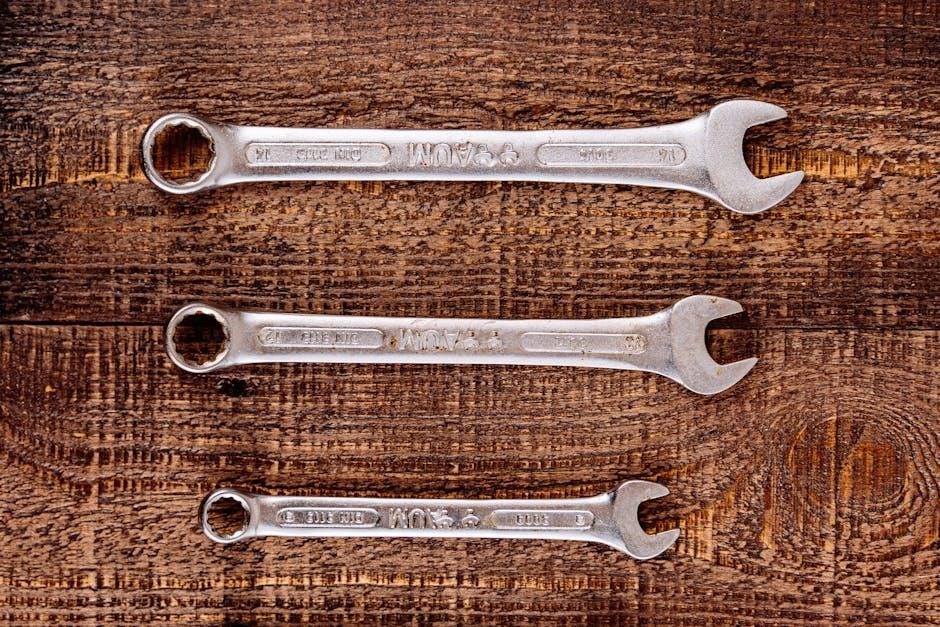
Overhaul intervals are specified in the manual, typically based on flight hours. Proper reassembly and adjustment are critical, ensuring correct fuel-air mixture at all power settings. Detailed records of all carburetor work must be maintained in the aircraft’s logbooks.
Airframe Maintenance
The PA-28-181 Maintenance Manual details crucial airframe inspections and maintenance tasks. Corrosion prevention is paramount, requiring regular cleaning and application of protective coatings, particularly in areas prone to moisture accumulation. Control cable inspection involves checking for fraying, proper tension, and smooth operation throughout their full range of motion. Adjustments are made per the manual’s specifications.
Landing gear maintenance includes tire pressure checks, brake system inspections, and examination of the struts for leaks or damage. Thorough documentation of all airframe work is essential for maintaining airworthiness and complying with regulatory requirements.
Corrosion Prevention and Control
The PA-28-181 Maintenance Manual emphasizes diligent corrosion prevention as a cornerstone of airframe longevity. Regular inspections are vital, focusing on areas susceptible to corrosion, like joints, seams, and areas exposed to fluids or the elements. Cleaning removes contaminants that accelerate corrosion, followed by the application of approved corrosion inhibitors.
Prompt attention to any detected corrosion is crucial; immediate treatment prevents further spread. The manual specifies appropriate cleaning agents and protective coatings. Detailed records of all corrosion control measures are mandatory, ensuring a traceable history of preventative maintenance and adherence to safety standards.
Control Cable Inspection and Adjustment
The PA-28-181 Maintenance Manual details rigorous procedures for control cable inspection and adjustment, vital for flight safety. Inspections involve checking for fraying, kinks, corrosion, and proper routing. Cables must move freely within their conduits without binding or excessive play. Adjustment ensures correct control surface deflection corresponding to cockpit inputs.
Proper tension is critical; too loose, and control response is sluggish, too tight, and it causes undue stress. The manual specifies acceptable tension ranges and adjustment methods. Detailed records of all inspections and adjustments are essential, documenting cable condition and ensuring continued airworthiness.
Landing Gear Maintenance
The PA-28-181 Maintenance Manual provides detailed guidance for landing gear upkeep, encompassing inspections, lubrication, and component replacement. Regular checks focus on tires for wear, brake components for functionality, and the overall structural integrity of the gear itself. Proper tire inflation is paramount for safe landings and ground handling.

Lubrication of gear pivot points prevents corrosion and ensures smooth operation. The manual outlines specific lubricant types and application points. Any signs of cracks, deformation, or excessive wear necessitate immediate attention and potential component replacement, adhering strictly to approved data.
Avionics and Electrical System Maintenance
The PA-28-181 Maintenance Manual details crucial procedures for avionics and electrical system reliability. Battery maintenance, including terminal cleaning and voltage checks, is essential. Transponder inspections and certifications must adhere to regulatory requirements, ensuring proper functionality for air traffic control communication.
Navigation system checks verify accuracy and operational status. Electrical wiring inspections identify potential hazards like chafing or corrosion. The manual emphasizes proper grounding techniques and fuse ratings. Regular testing of all electrical components, including lights and switches, guarantees a safe and functional cockpit environment.
Battery Maintenance and Replacement

The PA-28-181 Maintenance Manual stresses regular battery inspections for corrosion around terminals, utilizing appropriate cleaning solutions. Voltage checks are vital, ensuring the battery maintains sufficient charge for reliable starting. Electrolyte levels, if applicable, require periodic topping off with distilled water. Proper securing of the battery prevents movement during flight, avoiding potential short circuits;
Replacement procedures demand adherence to specified battery types and capacities. Correct polarity during installation is paramount. Old batteries must be disposed of responsibly, following environmental regulations. Documentation of battery replacement, including date and serial number, is crucial for maintenance records.
Transponder Inspection and Certification

The PA-28-181 Maintenance Manual dictates stringent transponder inspection protocols. These include verifying proper operation of all modes (Mode A, Mode C, and potentially Mode S). Technicians must confirm accurate altitude reporting and squawk code selection. Regular certification, typically every 24 calendar months, is legally mandated by aviation authorities.
Inspection involves checking antenna connections, wiring integrity, and the transponder’s internal functionality. Any discrepancies necessitate immediate repair and re-certification. Detailed records of inspections, repairs, and certifications must be maintained in the aircraft’s logbooks, ensuring continued airworthiness.
Navigation System Checks
The PA-28-181 Maintenance Manual emphasizes thorough navigation system checks. This encompasses verifying the accuracy of installed systems like VOR, LOC, and GPS. Technicians must confirm proper signal reception, course alignment, and display functionality. Database currency is critical; outdated databases render systems unreliable and potentially hazardous.
Checks involve ground testing with specialized equipment and, when feasible, flight verification. Proper antenna connections and wiring are inspected for integrity. Detailed records of all checks, updates, and repairs are essential for maintaining compliance and ensuring safe navigation. Regular inspections are vital for continued airworthiness.
Component Maintenance and Replacement
The PA-28-181 Maintenance Manual details procedures for component upkeep and replacement. This includes critical systems like brakes, fuel, and flaps. Brake system overhaul requires inspection of lines, calipers, and rotors, ensuring proper function and fluid integrity. Fuel system checks involve inspecting tanks, lines, and filters for contamination or leaks.
Flap system maintenance focuses on hinge points, actuation cables, and surface condition. Replacement parts must meet Piper’s specifications. Detailed documentation of all work performed, including part numbers and serial numbers, is crucial for traceability and regulatory compliance. Proper torque values and lubrication are essential during reassembly.
Brake System Overhaul

PA-28-181 brake system overhaul, as outlined in the maintenance manual, demands meticulous attention. Inspection encompasses brake lines for cracks or leaks, calipers for proper operation, and rotors for wear and damage. Fluid contamination is a primary concern, necessitating complete flushing and replacement with approved aviation brake fluid.

During disassembly, careful labeling of components is vital for correct reassembly. Torque specifications must be strictly adhered to when reinstalling parts. Post-overhaul, thorough testing, including a firm brake pedal application, confirms functionality. Documentation of all work, parts used, and test results is mandatory for maintenance records.
Fuel System Inspection and Cleaning
PA-28-181 fuel system inspection, detailed in the maintenance manual, prioritizes safety and performance. Begin with a visual check of fuel lines, tanks, and connections for leaks, damage, or corrosion. Drain fuel samples from various points to detect water or contaminants. Fuel filters require regular replacement, adhering to specified intervals.
Cleaning involves flushing fuel lines and tanks to remove sediment and debris. Carburetor inspection and cleaning are crucial for proper fuel-air mixture. Post-cleaning, a thorough leak check and operational test ensure system integrity. Accurate record-keeping of all procedures and parts is essential.
Flap System Maintenance
PA-28-181 flap system maintenance, as outlined in the aircraft’s service manual, is critical for safe flight operations. Inspections involve checking flap hinges, linkages, and actuators for wear, damage, and proper lubrication. Verify full and symmetrical flap extension and retraction. Control cable inspection and adjustment are essential for smooth operation.
Pay close attention to flap position indicators, ensuring accurate readings. Any binding or excessive play in the system requires immediate attention. Detailed records of all inspections, repairs, and adjustments must be maintained. Proper flap function directly impacts stall speed and landing performance.
Troubleshooting Common Issues
PA-28-181 troubleshooting often involves addressing engine starting problems, frequently linked to low battery voltage or a faulty starter. Electrical system malfunctions require checking circuit breakers, wiring, and connections. Hydraulic system leaks, though less common, demand immediate attention to prevent control surface issues.
Refer to the maintenance manual for detailed diagnostic procedures. Common issues also include rough running engines, often due to fouled spark plugs or carburetor problems. Always prioritize safety and consult qualified personnel for complex repairs. Accurate record-keeping of troubleshooting steps is vital for future reference.
Engine Starting Problems
PA-28-181 engine starting issues frequently stem from a weak battery, necessitating a check of its charge and connections. A faulty starter motor or solenoid can also prevent engine rotation. Insufficient fuel delivery, perhaps due to a clogged fuel filter or malfunctioning fuel pump, is another common cause.
The maintenance manual details procedures for testing these components. Cold weather can exacerbate starting difficulties, requiring richer mixture settings. Always ensure proper priming before attempting to start. If issues persist, consult the service manual for detailed troubleshooting steps and potential repairs.
Electrical System Malfunctions
PA-28-181 electrical system malfunctions often involve issues with the battery, alternator, or wiring. A discharged battery, indicated by low voltage, requires charging or replacement. The alternator’s output should be verified during engine operation using appropriate testing equipment, as detailed in the maintenance manual.
Loose connections, corroded terminals, or damaged wiring can cause intermittent electrical failures. Inspect fuses and circuit breakers for blown elements. The service manual provides schematics for tracing wiring and identifying potential short circuits. Proper grounding is crucial for system functionality and safety.
Hydraulic System Leaks
PA-28-181 aircraft, while primarily utilizing a direct mechanical control system, may incorporate hydraulic components in certain configurations, such as the flaps or brakes. Identifying hydraulic fluid leaks is crucial for maintaining operational safety and preventing control issues. Inspect hydraulic lines, fittings, and the master cylinder for any signs of leakage, referencing diagrams in the maintenance manual.
Fluid levels should be checked regularly, and any discrepancies investigated immediately. Leaks can stem from deteriorated seals, loose connections, or damaged lines. Proper repair procedures, outlined in the service manual, involve replacing faulty components and ensuring secure connections to prevent future fluid loss.
Accessing and Interpreting Maintenance Records
PA-28-181 aircraft maintenance records are vital for tracking the aircraft’s history and ensuring continued airworthiness. These records, often maintained digitally or in physical logbooks, detail all inspections, repairs, and modifications performed. Accessing these records requires understanding the organizational structure established by the owner/operator.
Interpreting these records demands familiarity with aviation regulations and the specific terminology used in the PA-28-181 service manual. Pay close attention to dates, work performed, parts used, and mechanic certifications. Proper record-keeping is essential for compliance and maintaining the aircraft’s value.
Supplemental Service Bulletins
Supplemental Service Bulletins (SBs) for the PA-28-181 are crucial updates issued by Piper Aircraft, addressing specific issues or enhancing aircraft safety and reliability beyond the standard maintenance manual. These bulletins often detail modifications, inspections, or component replacements. Owners and maintenance personnel must actively seek out and apply applicable SBs.
Accessing SBs typically involves subscribing to Piper’s service update notifications or consulting official Piper documentation. Proper implementation requires careful adherence to the bulletin’s instructions and accurate record-keeping. Ignoring SBs can compromise airworthiness and potentially void warranty coverage.
Approved Data and Modifications
Approved Data encompasses Supplemental Type Certificates (STCs) and Piper Aircraft-approved modifications for the PA-28-181. These alterations, documented through official channels, deviate from the original maintenance manual but are deemed safe and compliant by aviation authorities. Implementing modifications requires strict adherence to the approved data, including detailed installation instructions and inspection criteria.
Proper documentation of all modifications is paramount, including STC paperwork and associated maintenance records. Unauthorized modifications can jeopardize airworthiness and may not be recognized during inspections. Always verify the applicability and airworthiness of any modification before installation.