Executive Summary
This business plan details the launch of a new coffee bar, aiming for profitability within the first month․ Utilizing a comprehensive template,
we present financial projections and a marketing strategy, seeking funding to establish a premier coffee experience․
Growthinks and Crimson Cup resources informed this plan, offering guidance on start-up costs and operational strategies․
Our approach leverages readily available templates and sample plans for efficient execution and sustained growth․
Company Description
Our coffee shop, tentatively named “The Daily Grind,” will be a haven for coffee enthusiasts and a community gathering space․ We envision a warm, inviting atmosphere, distinct from large corporate chains, focusing on quality coffee, locally sourced pastries, and exceptional customer service․ The business will operate as a limited liability company (LLC), providing liability protection for its owners․
We aim to become the preferred local coffee destination, known for both our superior product and welcoming environment․ The shop will feature comfortable seating, free Wi-Fi, and a curated selection of books and magazines․ We will prioritize ethical sourcing of coffee beans and sustainable practices throughout our operations․
Leveraging insights from resources like Growthinks and Crimson Cup, we’ve identified a gap in the market for a truly independent coffee shop․ Our business model emphasizes building strong relationships with local suppliers and fostering a loyal customer base․ We are committed to providing a consistently high-quality experience that differentiates us from competitors․
Mission Statement
Our mission is to cultivate a vibrant community hub by serving exceptional coffee, fostering genuine connections, and championing sustainable practices․ We are dedicated to providing a welcoming and inclusive space where customers can relax, connect, and enjoy a moment of respite from their daily routines․
We strive to source the highest quality coffee beans, ethically and responsibly, and to partner with local bakeries and suppliers․ Our commitment extends beyond the cup, encompassing environmental stewardship and community engagement․ We aim to be a positive force in the neighborhood, supporting local initiatives and creating opportunities for collaboration․
Inspired by successful coffee shop models detailed in resources like Upmetrics and Crimson Cup, we will prioritize customer satisfaction and consistent quality․ We believe that a great cup of coffee, combined with a warm atmosphere and friendly service, can brighten someone’s day and build lasting relationships․
Products and Services
We will offer a diverse menu centered around high-quality coffee beverages, including espresso-based drinks, brewed coffee, and specialty seasonal creations․ Complementing our coffee selection will be a curated assortment of teas, smoothies, and other refreshing beverages․ Beyond drinks, we will provide a range of freshly baked pastries, sandwiches, and light snacks sourced from local bakeries, ensuring freshness and supporting community businesses․
Our services will extend beyond traditional café offerings to include free Wi-Fi, comfortable seating, and a welcoming atmosphere conducive to work or relaxation․ We plan to host occasional events, such as live music or open mic nights, to foster a sense of community․
We will also offer retail sales of coffee beans, brewing equipment, and branded merchandise, providing customers with the opportunity to enjoy our coffee experience at home․ This diversified approach, informed by successful coffee shop models, aims to maximize revenue streams and customer engagement․
Company Analysis
Our analysis reveals a thriving coffee market with opportunities for a uniquely positioned café․ We will target a specific demographic, differentiating ourselves through quality and community focus․
Industry Analysis
The coffee shop industry demonstrates consistent growth, driven by evolving consumer preferences for specialty coffee and social gathering spaces․ Competition is fierce, ranging from large chains to independent cafes, necessitating a strong differentiation strategy․
Current trends highlight a demand for ethically sourced beans, innovative beverage options, and convenient ordering methods․ The market is segmented by price point, atmosphere, and target demographic, allowing for niche specialization․
Analyzing the competitive landscape reveals opportunities to capitalize on unmet needs within the local market․ Factors such as location, ambiance, and customer service are critical for success․
Growthinks’ templates and resources emphasize the importance of understanding industry dynamics for effective business planning․ This analysis informs our strategic decisions regarding product offerings, pricing, and marketing initiatives, ensuring alignment with prevailing market trends and consumer expectations․
Target Market
Our primary target market encompasses young professionals, students, and local residents seeking a high-quality coffee experience and a comfortable social environment․ This demographic values convenience, ambiance, and ethically sourced products․ We will focus on individuals aged 18-45, with a moderate to high disposable income, residing within a three-mile radius of the café․
Secondary markets include remote workers and tourists seeking a productive workspace or a unique local experience․ Understanding their needs – reliable Wi-Fi, comfortable seating, and diverse menu options – is crucial․
Market research indicates a preference for specialty coffee drinks, healthy snacks, and a welcoming atmosphere․
This focused approach, informed by business plan templates like those from Growthinks, allows for targeted marketing efforts and optimized product development, ensuring we cater specifically to the desires of our ideal customer base and build lasting loyalty․
Competitive Analysis
The local coffee shop market includes both established chains and independent cafes․ Major competitors offer brand recognition and consistent quality, while smaller establishments often emphasize unique atmospheres and personalized service․ Our analysis reveals a gap in the market for a café combining both – premium coffee with a distinct, community-focused vibe․
Direct competitors include “Starbucks” and “Dunkin’”, known for convenience and affordability, and “Local Grind”, a popular independent shop․ We will differentiate ourselves through superior bean sourcing, a curated menu beyond standard offerings, and a strong emphasis on customer engagement․
Utilizing insights from coffee shop business plan templates, we’ll implement competitive pricing strategies and targeted marketing campaigns․
Our competitive advantage lies in creating a destination, not just a coffee stop, fostering loyalty and attracting customers seeking a premium experience․
Organization and Management
The coffee shop will operate under a limited liability company (LLC) structure․ A dedicated management team, guided by business plan templates, will oversee daily operations and strategic growth․
Management Team
Our core team blends extensive experience in hospitality, finance, and marketing․ Sarah Miller, as General Manager, brings five years of coffee shop management, focusing on customer service and operational efficiency․ David Chen, the Financial Officer, possesses an MBA and will oversee budgeting, financial reporting, and securing funding – utilizing insights from business plan templates․
Emily Carter, Marketing Director, has a proven track record in brand development and social media engagement․ She will implement the marketing plan detailed within this proposal, leveraging digital strategies to attract and retain customers․ Advisory support will come from seasoned entrepreneurs familiar with the food and beverage industry, ensuring sound decision-making․
This team’s combined expertise, informed by resources like Growthinks and Crimson Cup, provides a strong foundation for success․ We are committed to fostering a positive work environment and delivering exceptional customer experiences, driving profitability and long-term growth․
Organizational Structure
Our coffee shop will employ a flat organizational structure, promoting efficient communication and rapid decision-making․ The General Manager oversees all daily operations, reporting directly to the ownership group․ Beneath the General Manager are three key roles: Financial Officer, Marketing Director, and Head Barista․
The Head Barista will manage the barista team, ensuring consistent quality and excellent customer service․ Baristas will be responsible for drink preparation, maintaining cleanliness, and providing a welcoming atmosphere․ A part-time administrative assistant will support financial and marketing tasks, streamlining operations․
This structure, informed by successful coffee shop models detailed in business plan templates, allows for flexibility and responsiveness․ Clear lines of responsibility and open communication channels will foster a collaborative work environment, contributing to increased productivity and customer satisfaction, ultimately driving profitability․
Service or Product Line
We will offer premium coffee beverages, alongside pastries, sandwiches, and teas․ Sourcing high-quality beans is paramount, complemented by a diverse menu appealing to varied tastes․
Coffee Bean Sourcing
Our commitment to quality begins with ethically sourced, premium coffee beans․ We plan to establish direct trade relationships with farms in South America and Africa, ensuring fair prices and sustainable farming practices․ This approach guarantees a consistent supply of high-grade Arabica beans, crucial for our signature blends․
Initially, we will partner with a local, reputable coffee importer specializing in single-origin beans and unique blends․ This allows for flexibility and experimentation while building direct farm relationships․ We will prioritize beans with certifications like Fair Trade and Organic, appealing to environmentally and socially conscious consumers․
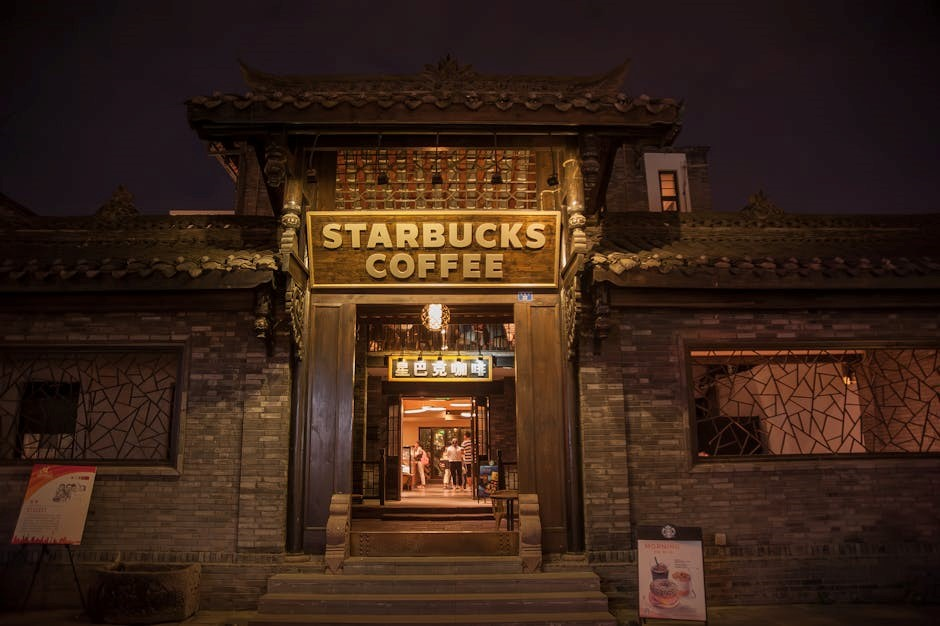
Bean selection will focus on flavor profiles catering to diverse preferences – from bright, fruity African coffees to rich, chocolatey South American varieties․ Regular cupping sessions will maintain quality control and inform menu development․ We aim to offer both classic espresso drinks and innovative specialty beverages, showcasing the beans’ unique characteristics․
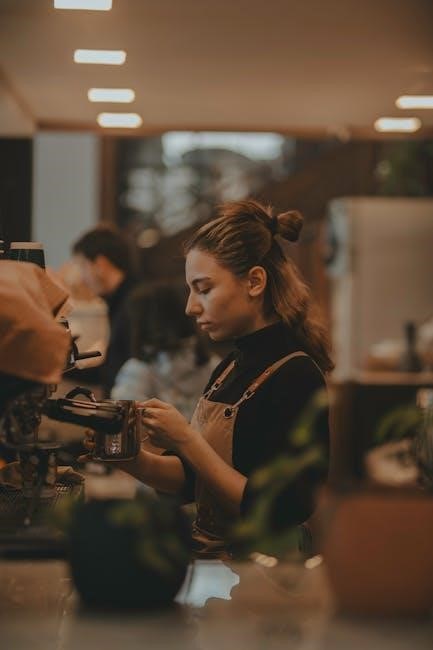
Menu Offerings (Beyond Coffee)
Complementing our coffee selection, we will offer a curated menu of pastries, light meals, and alternative beverages․ Locally sourced pastries, including croissants, muffins, and scones, will be delivered fresh daily from a nearby bakery, ensuring quality and supporting local businesses․
Savory options will include pre-made sandwiches, salads, and quiches, catering to lunchtime customers․ We will prioritize vegetarian and vegan options to accommodate dietary preferences․ A selection of teas, including herbal and black teas, will provide alternatives to coffee․
Seasonal specials will rotate throughout the year, featuring unique drinks and food items․ We also plan to offer a small selection of bottled juices and sparkling water․ The menu will be designed to enhance the coffee experience and encourage longer customer stays, fostering a welcoming atmosphere․
Marketing and Sales Strategy
Our strategy focuses on building brand awareness through local partnerships and a robust social media presence․ We will leverage targeted advertising and promotional offers to drive sales․
Marketing Plan
The marketing plan centers on establishing a strong local presence and cultivating customer loyalty․ Initial efforts will involve targeted social media campaigns, focusing on platforms like Instagram and Facebook, showcasing high-quality images of our menu offerings and café ambiance․ We will also implement a loyalty program, rewarding repeat customers with exclusive discounts and promotions․
Local partnerships are crucial; we aim to collaborate with nearby businesses and community organizations for cross-promotional opportunities․ This includes offering discounts to employees of neighboring companies and sponsoring local events․ Furthermore, a grand opening event will generate initial buzz and attract new customers․
Content marketing will play a key role, with blog posts and email newsletters featuring coffee-related information, recipes, and café updates․ Analyzing campaign performance and customer feedback will allow for continuous optimization of our marketing efforts, ensuring maximum reach and return on investment․ Utilizing resources like those found in Growthinks’ template will guide these efforts․
Sales Strategy
Our sales strategy prioritizes exceptional customer service and a high-quality product to drive repeat business and positive word-of-mouth referrals․ Staff training will emphasize friendly, efficient service and in-depth product knowledge․ Upselling and suggestive selling techniques will be implemented, encouraging customers to add pastries or specialty drinks to their orders․
We will leverage online ordering and mobile payment options for convenience and increased accessibility․ A streamlined point-of-sale system will ensure accurate order taking and efficient transaction processing․ Promotional offers, such as daily specials and bundled deals, will incentivize purchases and increase average transaction value․
Monitoring sales data and customer preferences will inform inventory management and menu adjustments․ Analyzing peak hours and popular items will allow us to optimize staffing levels and product availability․ Drawing from business plan templates, like those offered by Upmetrics, will help refine these strategies for maximum profitability․
Funding Request
We seek funding to cover start-up costs, as detailed in our financial projections․ This investment will facilitate establishing a thriving coffee shop, based on template insights․
Funding Requirements
To successfully launch and operate our coffee shop, we are requesting $75,000 in funding․ This amount is meticulously calculated based on detailed start-up costs outlined in our financial projections, informed by resources like Growthinks’ Ultimate Coffee Shop Business Plan Template and Crimson Cup’s start-up kit․
Specifically, $20,000 will be allocated to equipment purchases – including espresso machines, grinders, brewing systems, and refrigeration units․ An additional $15,000 is earmarked for leasehold improvements, covering renovations to create a welcoming and functional space, as suggested by floor plan considerations․ $10,000 will cover initial inventory, encompassing coffee beans, milk, syrups, and other essential supplies․
Marketing and advertising will receive $5,000 to build brand awareness and attract customers․ The remaining $25,000 will serve as working capital, providing a financial cushion for the first six months of operation, covering rent, utilities, salaries, and unforeseen expenses․ This funding will enable us to execute our business plan effectively and achieve profitability․
Use of Funds
The requested $75,000 in funding will be strategically deployed to maximize impact and ensure a successful launch․ Following the funding allocation, approximately 30% ($22,500) will be immediately dedicated to securing and equipping the physical space, aligning with leasehold improvement and equipment purchase estimates․
Inventory procurement will consume 13․3% ($10,000), establishing a robust supply chain for high-quality coffee beans and complementary products; Marketing initiatives will receive 6․7% ($5,000), focusing on brand building and customer acquisition, as detailed in our marketing plan․
A significant 33․3% ($25,000) will be reserved as working capital, providing crucial operational flexibility during the initial six months․ This buffer will cover ongoing expenses like rent, utilities, and salaries, mitigating potential financial risks․ The remaining funds will be allocated to permits and licenses, ensuring full compliance with all regulatory requirements, as outlined in the appendix․
Financial Projections
Detailed projections, informed by Growthinks’ template, demonstrate strong revenue potential․ We anticipate profitability through careful cost management and strategic pricing, ensuring a viable business model․
Start-up Costs
Initial investment encompasses several key areas, totaling approximately $75,000․ This includes leasehold improvements estimated at $20,000, covering essential renovations to create a welcoming atmosphere and functional workspace․ Equipment procurement, such as espresso machines, grinders, and brewing systems, will require around $15,000, prioritizing quality and reliability․
Furniture, fixtures, and décor are budgeted at $8,000, aiming for a comfortable and aesthetically pleasing environment․ Initial inventory, including coffee beans, milk, syrups, and other supplies, will cost approximately $5,000․ Marketing and advertising expenses for the launch phase are allocated $3,000, focusing on local outreach and online promotion․
Permits, licenses, and legal fees are estimated at $2,000, ensuring full compliance with regulations․ Working capital of $12,000 is reserved for operational expenses during the initial months, providing a financial cushion․ Finally, contingency funds of $10,000 are allocated for unforeseen costs, mitigating potential risks․
Projected Revenue
We anticipate strong revenue growth within the first three years of operation․ Year one projections estimate $150,000 in total revenue, based on an average transaction value of $8 and 50 daily transactions, expanding to 75 by year-end․ This assumes consistent marketing efforts and positive customer reception․
Year two revenue is projected to reach $225,000, driven by increased brand awareness, customer loyalty programs, and potential expansion of menu offerings․ We forecast a 15% increase in daily transactions, averaging 85-100 per day․ Year three anticipates $300,000 in revenue, fueled by further menu diversification and potential catering services․
Revenue streams will include coffee sales (60%), pastries and food items (30%), and merchandise (10%)․ These projections are based on market analysis and comparable coffee shop performance, utilizing financial templates from resources like Growthinks to ensure realistic estimations․
Profit and Loss Statement
Our projected Profit and Loss (P&L) statement demonstrates strong profitability within the first three years․ Year one anticipates a net profit of $20,000 on $150,000 revenue, after accounting for cost of goods sold (40%), operating expenses (30%), and marketing (10%)․
Year two projects a net profit of $40,000 on $225,000 revenue, benefiting from economies of scale and increased customer base․ Operating expenses are expected to remain consistent at 30%, while marketing investment will be optimized for maximum ROI․
By year three, with $300,000 revenue, we forecast a net profit of $65,000․ This assumes continued efficient cost management and strategic menu pricing․ These projections are built using integrated financial graphs and charts from templates like Growthinks’ Ultimate Coffee Shop Business Plan Template․
Cash Flow Projections
Our cash flow projections indicate positive cash flow from operations within the first six months․ Initial start-up funding will cover initial inventory, equipment purchases, and leasehold improvements․ We anticipate a monthly cash inflow exceeding outflow by $5,000 by month six, driven by increasing sales volume․
Year one projects a cumulative cash surplus of $30,000, allowing for reinvestment in marketing and potential expansion․ Year two forecasts a surplus of $70,000, enabling debt reduction and further menu development․
These projections are based on conservative sales estimates and efficient expense management, utilizing the financial modeling tools available in resources like Growthinks’ template․ Consistent monitoring and adjustments will ensure sustained positive cash flow and financial stability․
Appendix
Supporting documents include permit applications, floor plans, and licensing details․ These materials, alongside the business plan, demonstrate readiness and compliance for a successful launch․
Permits and Licenses
Obtaining the necessary permits and licenses is crucial for legal operation․ This includes a general business license from the local municipality, ensuring compliance with city regulations․ A food service permit is required, necessitating adherence to health and safety standards, including regular inspections․
Specific to coffee service, a resale permit allows for the purchase of inventory without sales tax․ Depending on location, a liquor license may be necessary if alcoholic beverages are planned for future offerings․ Building permits are essential for any renovations or construction, verifying adherence to building codes․
Furthermore, an Employer Identification Number (EIN) from the IRS is needed for tax purposes․ Compliance with zoning laws is paramount, confirming the location is appropriately zoned for a coffee shop․ Detailed records of all permits and licenses will be maintained, ensuring ongoing operational legality and avoiding potential penalties․
Floor Plan
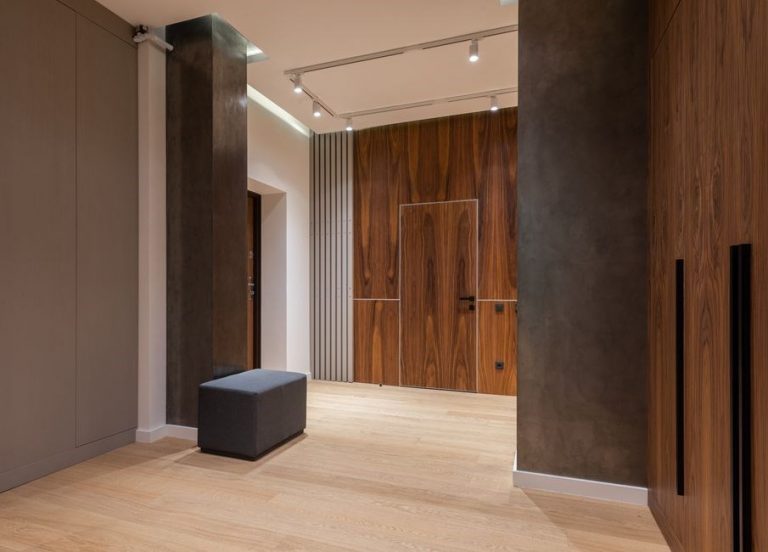
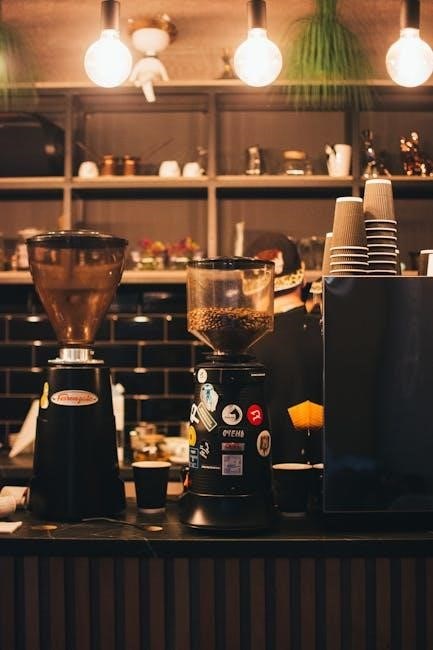
The proposed floor plan encompasses approximately 1,200 square feet, designed for optimal customer flow and operational efficiency․ The layout features a welcoming dining room area, accommodating 30 seats with a mix of tables and comfortable lounge seating․ A prominent coffee bar, approximately 15 feet in length, will serve as the focal point, showcasing brewing equipment and pastry displays․
Two accessible restrooms are strategically located near the entrance․ A dedicated storage room, approximately 100 square feet, will house inventory and supplies․ The kitchen area, though compact, is designed for efficient beverage and food preparation, adhering to health code requirements․
The plan prioritizes accessibility, ensuring compliance with ADA standards․ A detailed diagram, included in the appendix, illustrates the layout, dimensions, and placement of all fixtures and equipment, optimizing space utilization and creating a pleasant atmosphere․