
American houses showcase a rich tapestry of designs, evolving over centuries – from early Colonial structures to sleek Mid-Century Modern and beyond, reflecting diverse influences.
Styles like Cape Cod, Georgian, and Federal demonstrate historical progression, while Greek Revival and Queen Anne exemplify 19th-century exuberance.
The 20th and 21st centuries brought Craftsman, Ranch, and Contemporary homes, each responding to changing lifestyles and aesthetic preferences.
Historical Overview of American Architecture
American architectural history is a compelling narrative of adaptation and innovation, beginning with the practical, timber-framed structures of early colonists mirroring English building traditions. These First Period English Colonial homes prioritized functionality over ornamentation.
The Georgian Colonial era (1690s-1830) introduced symmetry and classical details, reflecting the influence of British architectural trends. Later, the Federal Style (1780-1840) embraced refined elegance and delicate ornamentation, signaling a growing American identity.
The 19th century witnessed a surge in revival styles – Greek Revival, Gothic Revival, and Italianate – each drawing inspiration from European precedents. The late 1800s saw the ornate Queen Anne style flourish, followed by the emergence of uniquely American movements like the Prairie School.
Factors Influencing Regional Styles
Regional variations in American house styles are profoundly shaped by climate, available materials, and cultural influences. In the South, Southern Colonial styles evolved to address hot, humid conditions, featuring wide verandas and raised foundations.
New England house styles, conversely, prioritized weather resistance with steep roofs and compact designs to withstand harsh winters. The availability of local resources also played a crucial role; brick was common where clay was abundant, while wood predominated in forested areas.
Furthermore, settlement patterns and the traditions of immigrant groups contributed to distinct regional aesthetics, creating a diverse architectural landscape across the nation. These factors combined to produce a uniquely American built environment.
Colonial Period (1600s-1780s)
Colonial architecture, spanning the 1600s to 1780s, reflects European roots adapted to American landscapes, establishing foundational styles for future development.
First Period English Colonial (1620-1680)
Early Colonial homes, built between 1620 and 1680, directly mirrored English building traditions, utilizing readily available local materials. These structures were typically small, asymmetrical, and constructed with timber frames and steep roofs designed to shed heavy snow.
Central chimneys were a defining feature, providing heat for the entire house, and often featured decorative brickwork. Walls were often constructed using wattle and daub, or later, clapboard siding. Windows were small, with diamond-paned glass, and layouts were simple, reflecting the practical needs of early settlers.
These homes often lacked elaborate ornamentation, prioritizing functionality and durability over aesthetics, representing a direct transfer of English vernacular architecture to the New World.
Georgian Colonial (1690s-1830)
Georgian Colonial homes, popular from the 1690s to 1830, embodied symmetry and formality, reflecting the architectural tastes of Great Britain during the reign of the Georges. These houses typically featured a boxy shape, with a centered front door often adorned with a decorative crown or pediment.
Brick or wood siding were common, and windows were arranged in a balanced pattern around the door. Interior layouts were symmetrical as well, with rooms arranged around a central hallway. Details like dentil molding and paneled doors added to the refined aesthetic.
Georgian style emphasized order and proportion, representing a shift towards more sophisticated architectural expression in the American colonies.
Key Characteristics of Georgian Homes
Georgian homes are readily identifiable by their symmetrical facades, typically five bays wide, with a centrally placed front door. A prominent feature is the use of paired chimneys, often flanking the main structure. Window placement adheres to a strict balanced arrangement, frequently with nine-over-nine panes.
Exterior materials commonly include brick, often laid in Flemish bond, or wood clapboard. Decorative elements, such as dentil molding along the cornice line and pediments above doorways, add refinement. Interiors boast symmetrical floor plans, central hallways, and detailed wood paneling.
These homes project an air of dignified elegance and classical proportion, hallmarks of the Georgian style.
Federal Style (1780-1840)
Federal architecture emerged post-Revolutionary War, showcasing a refined elegance influenced by classical Roman design. It represents a departure from the heavier Georgian style, embracing lighter, more delicate detailing. Symmetry remains crucial, but with a greater emphasis on ornamentation.
Common features include elliptical fanlights above doorways, often adorned with delicate tracery, and sidelights flanking the entrance. Window shapes become more varied, incorporating Palladian windows. Exterior materials often include brick or wood, painted in lighter hues.
Interiors display elaborate plasterwork, delicate moldings, and refined proportions, reflecting a new national identity and sophisticated taste.
Distinguishing Features of Federal Architecture
Federal homes are readily identified by their refined details and symmetrical facades. A prominent feature is the elliptical fanlight above the front door, often embellished with radiating tracery, creating a focal point. Sidelights, narrow windows flanking the door, enhance the entrance’s elegance.
Low-pitched roofs, often adorned with balustrades, and dentil moldings along the cornice line are also characteristic. Windows are typically multi-paned, arranged in a balanced pattern. Brick exteriors are common, frequently painted in cream, pale yellow, or white.
The overall impression is one of understated sophistication and classical restraint, a marked contrast to the more robust Georgian style.
Antebellum & 19th Century (1830s-1900)
This era witnessed a flourishing of architectural styles, including Greek Revival, Gothic Revival, Italianate, Second Empire, and Queen Anne, reflecting cultural shifts.
Greek Revival (1825-1860)
Greek Revival architecture emerged as a powerful statement of democratic ideals, drawing heavily from the temples of ancient Greece. This style, popular across the United States, particularly in the South, sought to emulate the grandeur and perceived virtue of classical antiquity.
Key features include prominent, full-width front porches supported by Doric, Ionic, or Corinthian columns, often painted white to resemble marble. Gable roofs were common, frequently adorned with a pediment containing intricate detailing. Symmetrical facades and rectangular shapes were hallmarks of the style.
Homes often featured transom windows above doors and windows, adding to the classical aesthetic. While often constructed of wood, builders frequently employed techniques to make them appear as if they were built of stone, further enhancing the illusion of permanence and solidity.
Influence of Classical Greek Architecture
The profound impact of classical Greek architecture on the American Greek Revival style stemmed from a burgeoning interest in democracy and republicanism during the early 19th century. Greece, as the birthplace of democracy, became a symbolic touchstone for the young American nation.
Architects and designers meticulously studied ancient Greek temples, particularly those found in published pattern books, translating their elements into residential designs. The Parthenon served as a primary source of inspiration, influencing column styles, pediment designs, and overall proportions.
This emulation wasn’t merely aesthetic; it was intended to convey a sense of civic virtue, order, and intellectual enlightenment. The use of columns, pediments, and symmetrical facades aimed to create buildings that embodied the ideals of classical Greece, fostering a connection to a glorious past.
Gothic Revival (1830-1900)
Emerging in the 1830s, Gothic Revival represented a dramatic departure from the prevailing classical styles, fueled by a romantic fascination with medieval architecture. This style embraced pointed arches, steep gables, and ornate detailing, evoking a sense of picturesque irregularity and historical depth.
American Gothic Revival manifested in various forms, from grand country estates to modest cottages. Key features included pointed-arch windows, often adorned with tracery, and steeply pitched roofs. Decorative elements like finials, crockets, and lancet windows were common.
The style’s popularity coincided with the rise of picturesque landscape design and a growing interest in religious and national identity. It offered a visual language that resonated with a desire for spiritual and cultural authenticity, creating homes that felt both romantic and historically grounded.
Italianate (1840-1885)
Flourishing from 1840 to 1885, the Italianate style drew inspiration from Italian villas, characterized by low-pitched or flat roofs, wide overhanging eaves with decorative brackets, and tall, narrow windows; These homes often featured asymmetrical facades, creating a picturesque and dynamic appearance.
Common elements included arched windows and doorways, often with elaborate hood moldings, and a square cupola adorning the roof. Brick and stucco were frequently used as exterior materials, contributing to the style’s refined aesthetic.
Italianate homes conveyed a sense of sophistication and prosperity, appealing to a growing middle class. The style’s emphasis on ornamentation and picturesque design made it a popular choice for both urban and rural residences, leaving a lasting mark on American architecture.
Common Elements of Italianate Design

Distinctive features define Italianate homes, starting with the prominent, bracketed cornices supporting wide, overhanging eaves – a signature element. Tall, narrow windows, often arched or with decorative hood moldings, punctuate the facades, enhancing the verticality.
Cupolas, frequently square or octagonal, crown the rooflines, providing both architectural interest and ventilation. Bay windows and elaborate door surrounds are also prevalent, adding to the style’s ornate character.
Exterior materials typically include brick, stucco, or wood, sometimes combined for textural contrast. Asymmetrical compositions and a generally low-pitched roof complete the look, creating a visually dynamic and sophisticated aesthetic that embodies Italian villa influences.
Second Empire (1852-1870)
Second Empire style, popular during the mid-19th century, draws inspiration from the architecture of France during Napoleon III’s reign. The most recognizable feature is the distinctive Mansard roof – a double-sloped roof with a nearly vertical lower slope, creating usable attic space.
Elaborate ornamentation is common, including brackets, cornices, and dormer windows adorning the roofline. Symmetry in the facade is typical, often with a central entry and balanced window placement.
Materials frequently include brick or wood, sometimes combined with decorative stone accents. These homes often project an air of grandeur and sophistication, reflecting the opulence of the era, and are a striking presence in American architectural history.
Queen Anne (1880-1910)
Queen Anne style, flourishing in the late Victorian era, is celebrated for its ornate and whimsical aesthetic. Asymmetrical facades are a defining characteristic, eschewing traditional symmetry for a more dynamic and picturesque appearance.
Decorative details abound, including patterned shingles, bay windows, turrets, and spindlework porches. These elements contribute to a visually rich and textured exterior. Vibrant color schemes were also common, enhancing the playful nature of the style.
Construction materials typically include wood, allowing for the intricate carvings and detailing. Queen Anne homes represent a departure from earlier, more restrained styles, embracing ornamentation and individuality.
Asymmetrical Facades and Decorative Details
Queen Anne architecture dramatically rejected symmetry, favoring asymmetrical facades that create a dynamic and visually engaging appearance. This irregularity is a key identifier of the style, often featuring projecting bays, towers, and varied rooflines.
Decorative details are lavish and abundant, showcasing intricate spindlework, patterned shingles, and ornate brackets. These elements aren’t merely embellishments; they define the style’s exuberant character.
Look for details like fish-scale shingles, stained glass windows, and elaborate porch ornamentation. These features, combined with vibrant color palettes, contribute to the Queen Anne’s distinctive and playful aesthetic, marking a significant shift in American home design.
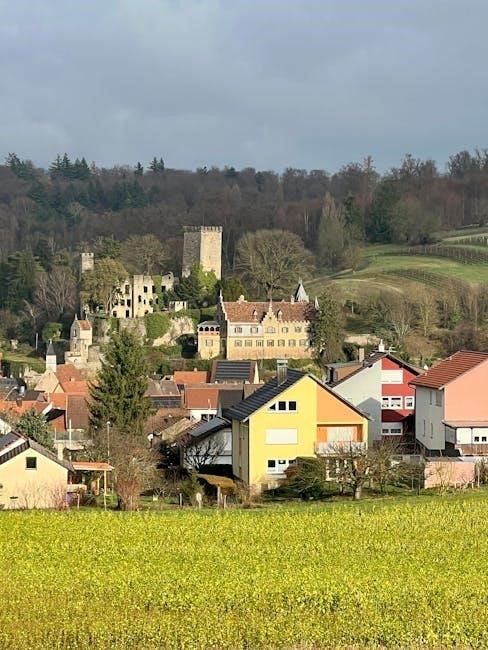
Early 20th Century (1900-1945)
Early 20th-century homes embraced diverse styles – Arts and Crafts, Tudor Revival, Bungalows, and Prairie School – reflecting a reaction against Victorian excess and industrialization.
Arts and Crafts/Craftsman (1905-1930)
The Arts and Crafts movement, and its American iteration known as the Craftsman style, represented a deliberate shift away from mass-produced Victorian ornamentation. These homes prioritized simplicity, functionality, and the beauty of natural materials.
Key characteristics include low-pitched gable roofs with wide eaves, exposed rafters, and prominent front porches supported by thick, tapered columns. Interior spaces often feature built-in cabinetry, fireplaces as focal points, and wood detailing throughout.
Emphasis on handcrafted elements is central; think hand-carved wood trim, art glass windows, and locally sourced stone. Craftsman bungalows, a popular variation, are typically one or one-and-a-half stories, offering cozy and inviting living spaces. The style championed honest construction and a connection to the natural world.
Emphasis on Natural Materials and Handcraftsmanship
Central to the Arts and Crafts philosophy was a rejection of industrialization, favoring instead the inherent beauty and authenticity of natural materials. Wood, particularly oak, was extensively used for structural elements, trim, and built-ins, showcasing its grain and texture.
Stone and brick often formed foundations and fireplaces, grounding the homes in their environment. Handcraftsmanship wasn’t merely aesthetic; it represented a commitment to quality and individual artistry. Art glass windows, often featuring floral or geometric designs, added unique character.
Hand-carved details adorned mantels, porch supports, and cabinetry, demonstrating skilled workmanship. The movement valued the visible marks of the maker, celebrating the human touch. This focus created homes that felt warm, inviting, and deeply connected to their surroundings.
Tudor Revival (1890-1940)
Tudor Revival architecture, popular in the late 19th and early 20th centuries, drew inspiration from medieval English Tudor homes. Characterized by steeply pitched roofs, prominent gables, and decorative half-timbering, these homes evoke a sense of old-world charm.
Brick or stone typically formed the first story, while the upper stories featured stucco and exposed timber framing. Tall, narrow windows with multi-pane casements were common, often adorned with decorative leaded glass. Massive chimneys and elaborate doorways further enhanced the Tudor aesthetic.
Interiors often included dark wood paneling, beamed ceilings, and large fireplaces. Though rooted in history, American Tudor Revivals often incorporated modern amenities and floor plans, blending tradition with contemporary living.
Bungalow (1900-1940)
Bungalows emerged as a popular housing style in the early 20th century, offering affordable and comfortable living. Originating in India, the American Bungalow embraced simplicity and practicality. Low-pitched roofs with wide overhanging eaves, and prominent front porches are defining features.
Typically one or one-and-a-half stories, bungalows emphasized horizontal lines and a close connection to the outdoors. Craftsman details, such as exposed rafters and decorative brackets, were frequently incorporated. Interiors were often open and informal, with built-in cabinetry and fireplaces.
Various styles existed, including California Bungalows and Prairie Bungalows, each with regional variations. The bungalow’s appeal lay in its cozy atmosphere and accessibility, making it a beloved choice for middle-class families.
Prairie School (1900-1920)
Prairie School architecture, largely pioneered by Frank Lloyd Wright, sought to create homes harmonizing with the American landscape. Rejecting Victorian ornamentation, it emphasized horizontal lines mirroring the flat prairie grasslands. Low-pitched roofs, overhanging eaves, and bands of casement windows are key characteristics.
Open floor plans and integrated interior spaces were central to the Prairie style, promoting a sense of flow and connection. Natural materials like wood and stone were favored, and ornamentation was often geometric and abstracted from nature.
Strong emphasis was placed on craftsmanship and built-in furniture, creating a unified design. Though relatively short-lived, the Prairie School profoundly influenced modern architecture, advocating for organic design and a distinctly American aesthetic.

Mid-Century Modern (1945-1970s)
Mid-Century Modern homes embraced clean lines, large windows, and open layouts, reflecting post-war optimism and modernist principles, prioritizing functionality and simplicity.
Characteristics of Mid-Century Modern Homes
Mid-Century Modern architecture, flourishing from the 1940s to the 1970s, is instantly recognizable for its distinctive features. These homes frequently boast flat or gently pitched roofs, expansive glass walls that blur the lines between indoors and out, and an emphasis on horizontal lines.
Open floor plans were central, promoting a sense of spaciousness and connectivity. Natural materials like wood – often teak or walnut – and stone were commonly used, alongside innovative materials like plywood and plastic laminates.
Integration with the surrounding landscape was key, with homes often featuring patios, courtyards, and large windows framing views. Minimal ornamentation and a focus on functionality defined the aesthetic, rejecting the elaborate detailing of previous eras. Split-level designs and carports were also common elements;
Influence of Modernist Principles
Mid-Century Modern design was deeply rooted in the broader Modernist movement originating in Europe. This movement championed a rejection of historical styles and ornamentation, embracing functionality and simplicity as core tenets.
Architects like Frank Lloyd Wright and Mies van der Rohe, pioneers of Modernism, profoundly influenced American designers. The “form follows function” principle dictated design choices, prioritizing practicality over elaborate decoration.
A belief in industrial production and the use of new materials – steel, glass, and concrete – shaped the aesthetic. Modernist ideals also emphasized honesty in materials, revealing their inherent qualities rather than concealing them. This translated into clean lines, open spaces, and a connection to nature, defining the essence of Mid-Century Modern homes.
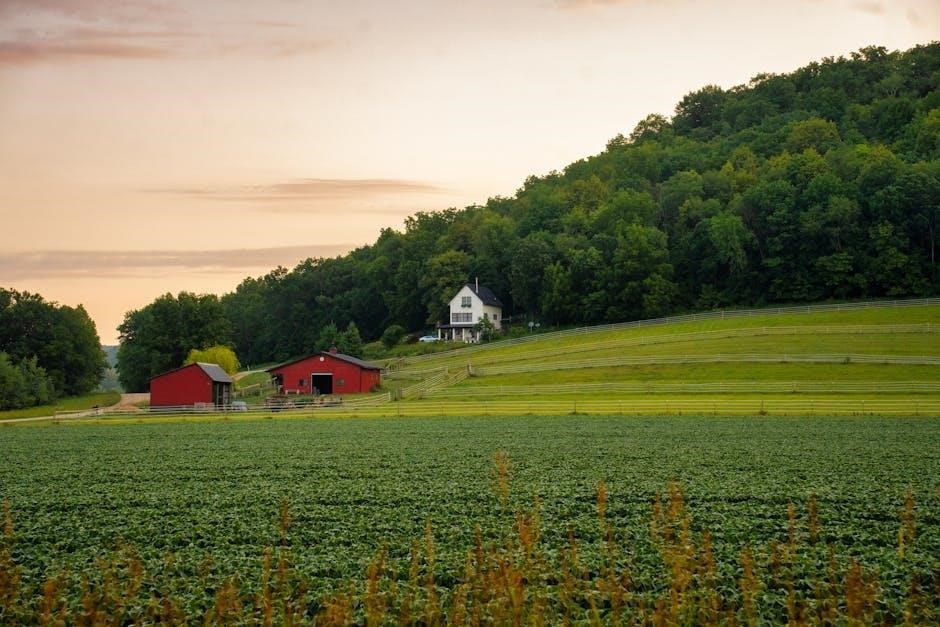
Late 20th & 21st Century (1970s-Present)

Recent decades showcase diverse styles: Ranch homes remained popular, while Contemporary designs emerged, alongside Neotraditional revivals blending past and present aesthetics.
Ranch Style (1930s-1970s)
Ranch-style homes, originating in the 1930s and peaking in popularity post-World War II through the 1970s, represent a distinctly American architectural response to changing lifestyles.
Characterized by their single-story layout, low-pitched roofs, and long, horizontal profile, these homes emphasized informality and accessibility, perfectly suited for suburban expansion.
Typically constructed with simple materials like brick, wood siding, or stucco, Ranch homes often feature large windows, attached garages, and open floor plans.
Variations include the California Ranch, known for its emphasis on indoor-outdoor living, and the Suburban Ranch, a more modest and widespread iteration.
The Ranch style’s enduring appeal lies in its practicality, affordability, and relaxed aesthetic, making it a cornerstone of American residential architecture.
Contemporary Style (1970s-Present)
Contemporary style, evolving since the 1970s, isn’t a single defined aesthetic but rather a reflection of current trends in architectural design, prioritizing innovation and individuality.
Often featuring asymmetrical facades, open floor plans, and expansive glass surfaces, contemporary homes emphasize a connection with the surrounding environment and abundant natural light.
Materials are diverse, ranging from concrete and steel to wood and glass, often combined in unexpected ways to create visually striking compositions.
Minimalism, clean lines, and a focus on functionality are key characteristics, though contemporary designs can also incorporate bold colors and sculptural elements.
Sustainability and energy efficiency are increasingly important considerations, shaping the design and construction of modern contemporary homes.
Neotraditional Styles (1980s-Present)
Neotraditional styles, emerging in the 1980s, represent a deliberate move away from the starkness of modernism, embracing historical architectural elements with a contemporary twist.
These homes often borrow features from Colonial, Victorian, or Craftsman designs, but reinterpret them with modern materials and building techniques, avoiding strict replication.
Front porches, symmetrical facades, and detailed trim work are common characteristics, evoking a sense of nostalgia and community, reminiscent of earlier American eras.
Emphasis is placed on creating walkable neighborhoods and fostering a sense of place, often incorporating traditional neighborhood development (TND) principles.
Neotraditional design aims to blend the charm of the past with the functionality and convenience of modern living, offering a harmonious balance between old and new.
Regional Variations
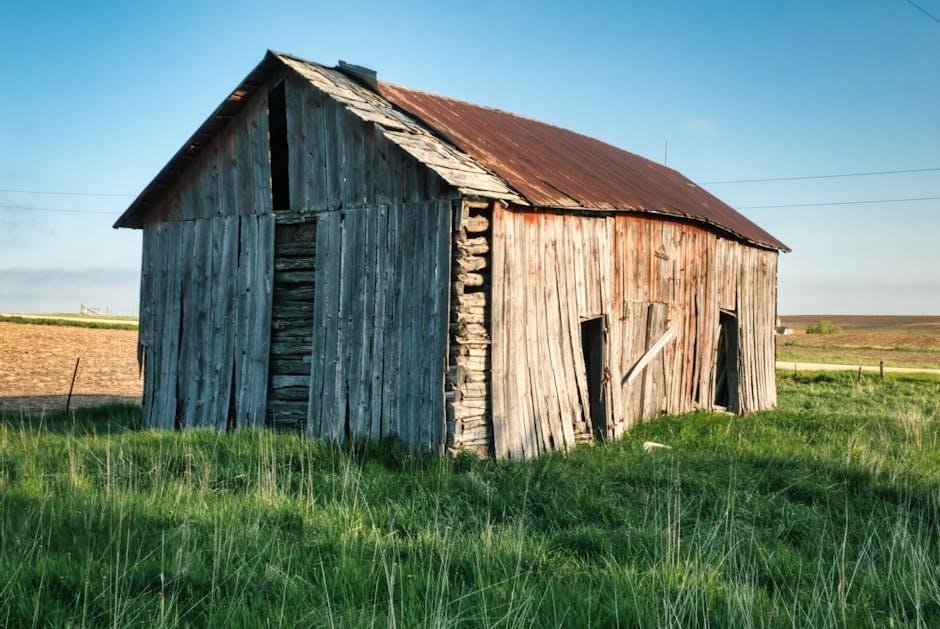
American house styles dramatically shift across regions, influenced by climate, local materials, and cultural traditions, creating unique architectural landscapes.
Southern Colonial and New England homes exemplify distinct regional adaptations, showcasing diverse building practices and aesthetic preferences.
Southern Colonial Styles
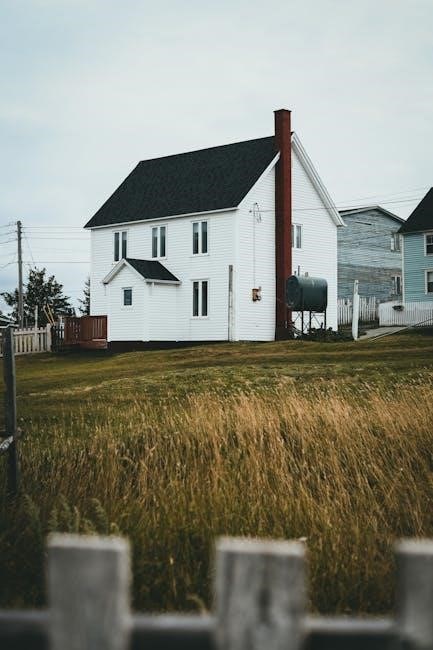
Southern Colonial styles, born from a blend of European influences and the region’s climate, present a captivating architectural narrative. These homes often feature grand two-story facades, symmetrical designs, and wide, welcoming porches – perfect for enjoying the warmer weather.
Brick and wood framing are common materials, with stucco exteriors also appearing frequently. Large windows, often adorned with shutters, provide ample light and ventilation. The emphasis on outdoor living spaces is a defining characteristic.
Variations include the Charleston Single House, known for its narrow frontage and side-yard gardens, and the Tidewater Colonial, showcasing a central hall plan. These styles reflect the South’s history, social structures, and adaptation to its unique environment.
New England House Styles
New England house styles are deeply rooted in the region’s history and harsh climate, prioritizing practicality and resilience. The iconic Cape Cod, with its simple rectangular shape, central chimney, and shingle siding, exemplifies this approach, offering protection from blizzards.
Colonial homes, often featuring symmetrical facades and multi-pane windows, demonstrate early European influences. Later, the Federal style introduced more refined details and elegant proportions. Saltbox houses, with their asymmetrical rooflines, provided additional living space.
These homes frequently utilize wood as a primary building material, reflecting the region’s abundant forests. Their designs prioritize warmth, durability, and a connection to the surrounding landscape.