Pocket first aid guides, often available as a PDF, are essential resources offering concise instructions for emergency situations․ They bridge the knowledge gap, empowering individuals to confidently administer aid․
These compact guides detail crucial steps for handling injuries and illnesses, ensuring preparedness when professional medical help isn’t immediately accessible․ Downloadable versions enhance portability․
Acting quickly can significantly improve outcomes, making a readily available pocket guide a vital component of personal safety and community preparedness․
What is a Pocket First Aid Guide?
A pocket first aid guide, frequently distributed as a convenient PDF document, is a condensed compilation of essential medical instructions designed for immediate use in emergency scenarios․ These guides aren’t intended to replace formal medical training, but rather to provide crucial, step-by-step assistance until professional help arrives․
Typically small enough to fit in a first-aid kit, wallet, or even a pocket – hence the name – these guides contain information on addressing common injuries like severe bleeding, burns, fractures, and sprains․ They also often include guidance on responding to life-threatening situations such as choking or cardiac arrest, with basic CPR instructions․
The PDF format allows for easy download and storage on smartphones, tablets, or other devices, ensuring accessibility even without an internet connection․ A well-structured guide prioritizes clarity and conciseness, using diagrams and simple language to facilitate quick comprehension during stressful events․ They are a cornerstone of personal preparedness․
Why Carry a Pocket First Aid Guide?
Carrying a pocket first aid guide, especially in PDF format for easy digital access, is a proactive step towards personal and community safety․ Emergencies are unpredictable, and professional medical assistance isn’t always immediately available․ A guide empowers you to provide initial care, potentially stabilizing a situation until help arrives․
Having this knowledge readily accessible can make a critical difference in outcomes, particularly in life-threatening scenarios․ Whether hiking, traveling, or simply going about daily life, a guide ensures you’re prepared to respond to injuries or sudden illnesses․ The downloaded PDF offers offline access, vital in areas with limited connectivity․

Furthermore, possessing a first aid guide fosters confidence and reduces panic during stressful events․ It’s a responsible action, demonstrating a commitment to being a helpful and capable member of society, ready to assist others in need․

Essential Contents of a First Aid Guide PDF
A comprehensive first aid guide PDF must include vital sections on severe bleeding control, burn treatment, choking procedures, and CPR instructions for effective emergency response;
Severe Bleeding Control
Severe bleeding control is a cornerstone of any first aid guide PDF․ Immediate action is critical to prevent shock and further complications․ The guide should detail applying direct pressure to the wound using a clean cloth – this is the primary method․
Instructions must emphasize maintaining continuous pressure, even if the cloth becomes soaked, adding more layers on top rather than removing the original․ Elevation of the injured limb, when possible, is also crucial to reduce blood flow․
The pocket guide should clearly explain recognizing signs of shock – pale skin, rapid pulse, and shallow breathing – and the importance of keeping the casualty warm and reassured while awaiting medical assistance․ Guidance on tourniquet application, if appropriate and trained, should be included with clear warnings about prolonged use and potential complications․
Finally, the PDF should stress the need for professional medical evaluation even after bleeding is controlled․
Burn Treatment
A comprehensive burn treatment section within a first aid guide PDF is vital, differentiating between first, second, and third-degree burns․ The guide should instruct immediately cooling the burn with cool (not ice-cold) running water for at least 10-20 minutes – this is paramount․
Instructions must emphasize removing any jewelry or constricting clothing near the burn area before swelling occurs․ Covering the burn with a sterile, non-adhesive dressing is crucial to prevent infection․
The pocket guide should clearly advise against applying ointments, butter, or other home remedies, as these can trap heat and increase infection risk․ It should also detail recognizing signs requiring immediate medical attention – large burns, burns to the face, hands, feet, or genitals, and difficulty breathing․
Finally, the PDF should highlight the importance of preventing shock and seeking professional medical evaluation for all but the most minor burns․
Choking Procedures
A pocket first aid guide PDF must provide clear, step-by-step instructions for handling choking emergencies, differentiating between mild and severe airway obstruction․ For mild choking, the guide should advise encouraging the person to continue coughing forcefully․
However, for severe choking – indicated by inability to speak, cough, or breathe – the PDF should detail the Heimlich maneuver (abdominal thrusts)․ Diagrams illustrating proper hand placement are essential․
Instructions must specify performing abdominal thrusts until the object is dislodged or the person becomes unresponsive․ If the person loses consciousness, the guide should outline how to carefully lower them to the ground and begin CPR․
The pocket guide should also include modifications for performing the Heimlich maneuver on infants and pregnant or obese individuals, ensuring comprehensive preparedness for various scenarios․
CPR (Cardiopulmonary Resuscitation) Instructions
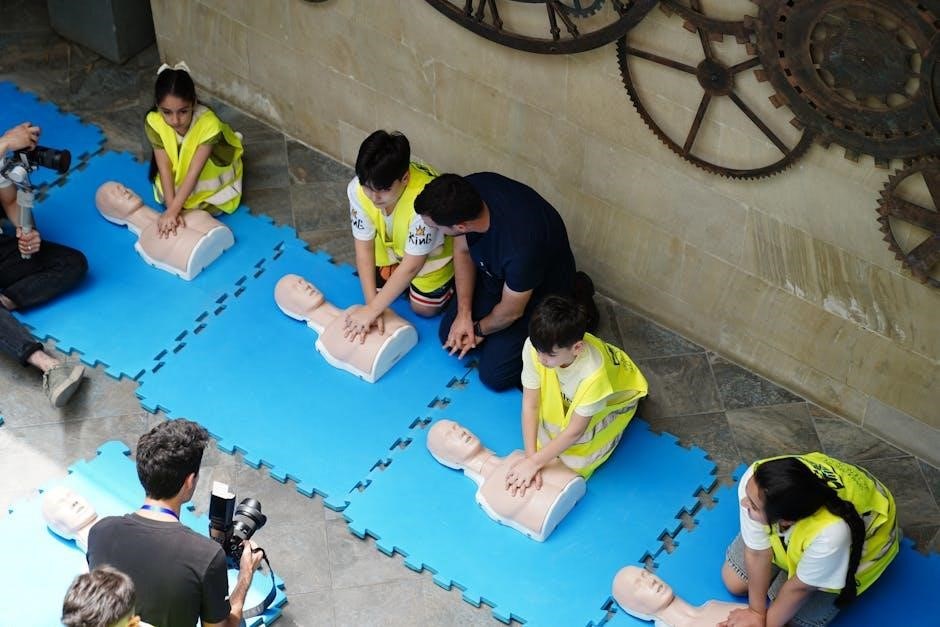
A comprehensive pocket first aid guide PDF dedicates significant space to CPR, outlining the crucial steps for adult, child, and infant resuscitation․ The guide should emphasize the importance of checking for responsiveness and calling for emergency medical services immediately․
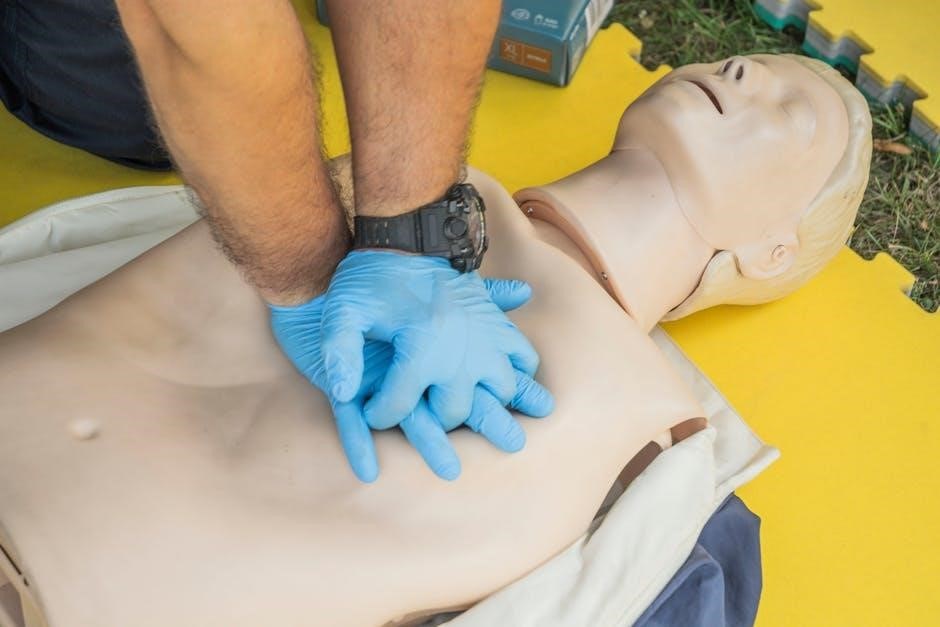
Clear instructions on chest compression technique – proper hand placement, depth, and rate – are paramount, often accompanied by illustrative diagrams․ The PDF must detail the compression-to-ventilation ratio (typically 30:2 for adults)․
Instructions should also cover rescue breaths, emphasizing the need to ensure an open airway․ Modifications for infants and children, including single-rescuer CPR techniques, are vital․
The pocket guide should also briefly address the use of Automated External Defibrillators (AEDs), providing basic guidance on their operation and safety precautions, reinforcing the importance of swift action․
Fracture and Sprain Management
A reliable pocket first aid guide PDF provides detailed instructions for managing fractures and sprains, emphasizing initial assessment and immobilization․ The guide should clearly differentiate between the two, outlining symptoms like deformity, swelling, and pain․
Instructions focus on the RICE protocol – Rest, Ice, Compression, and Elevation – as a primary treatment for sprains․ For suspected fractures, the PDF should advise against moving the injured limb and emphasize the need for splinting to prevent further damage․
The guide should illustrate proper splinting techniques using readily available materials, like cardboard or rolled-up magazines․
It’s crucial to highlight the importance of seeking professional medical attention for both fractures and severe sprains, as proper diagnosis and treatment are essential for full recovery․ The pocket guide serves as immediate care support․

Downloading and Utilizing PDF Guides
Pocket first aid guide PDFs are easily accessible online from reputable sources like the Red Cross and WHO․ Saving them to your device ensures offline access and portability․
Finding Reliable PDF Sources
Locating trustworthy pocket first aid guide PDFs requires careful consideration․ Prioritize official organizations like the World Health Organization (WHO) and the Red Cross, as their materials are medically vetted and regularly updated․ These sources, such as who․int/emergencycare and redcross․ca, offer comprehensive guides designed for practical application․
Be cautious of unofficial websites or downloads from unknown sources, as the information may be inaccurate, outdated, or even harmful․ Always verify the credibility of the publisher and look for indicators of medical expertise․ Government health websites often provide reliable resources as well․
When downloading, ensure the site is secure (HTTPS) to protect against malware․ Cross-reference information with multiple sources to confirm accuracy․ A reliable PDF will clearly state its author, revision date, and any disclaimers regarding its use․ Remember, a pocket first aid guide is only effective if the information within is correct and current․
Saving the PDF to Your Device
Saving your downloaded pocket first aid guide PDF is crucial for accessibility․ Most web browsers offer a straightforward “Save” or “Download” option, typically found in the file menu or as a download icon․ Choose a memorable location on your device – a dedicated “First Aid” folder is recommended – for easy retrieval․
Consider saving copies to multiple devices, such as your smartphone, tablet, and computer, ensuring access in various situations․ Cloud storage services like Google Drive or Dropbox provide convenient backup and synchronization across devices․
Rename the file with a descriptive name, like “PocketFirstAidGuide_RedCross_2025․pdf”, to easily identify it․ Regularly check that the file opens correctly and hasn’t become corrupted․ Having a readily available, properly saved PDF ensures you’re prepared to act quickly in an emergency, utilizing the vital instructions it contains․
Offline Access and Portability
One of the greatest advantages of a pocket first aid guide PDF is its offline access․ Unlike online resources, a saved PDF remains available even without an internet connection – critical in remote areas or during emergencies where connectivity is unreliable․ This ensures you can consult instructions for severe bleeding, burns, or other urgent situations regardless of network availability․
The portability of a PDF is equally valuable․ Easily stored on smartphones, tablets, or e-readers, it’s a lightweight and convenient companion for travel, outdoor activities, or simply keeping in your emergency preparedness kit․
Consider utilizing a PDF reader app with search functionality for quick access to specific information․ This combination of offline availability and portability makes a pocket first aid guide PDF an indispensable tool for proactive safety․
Specific Emergency Scenarios & Guide Content
Pocket first aid guide PDFs detail responses to scenarios like allergic reactions, head injuries, heatstroke, hypothermia, and poisoning, offering crucial instructions for immediate action․
Dealing with Allergic Reactions
Pocket first aid guide PDFs dedicate significant attention to managing allergic reactions, recognizing their potential severity․ Instructions typically emphasize identifying symptoms – ranging from mild hives and itching to life-threatening anaphylaxis, characterized by breathing difficulties and swelling․
Guides detail the critical importance of epinephrine auto-injectors (like EpiPens) for anaphylactic reactions, providing step-by-step guidance on proper administration․ They stress the need to immediately call emergency services after epinephrine use, even if symptoms seem to improve․
Furthermore, these guides often advise keeping the individual lying down with elevated legs unless breathing is compromised․ Information on recognizing common allergens and preventative measures may also be included․ PDF versions ensure quick, offline access to these vital procedures, potentially saving lives in critical moments․ Always prioritize professional medical attention following any allergic reaction․
Managing Head Injuries
Pocket first aid guide PDFs provide crucial instructions for assessing and managing head injuries, emphasizing the potential for serious complications․ Guides detail how to recognize signs of concussion – including headache, dizziness, nausea, and confusion – and advise against moving an injured person unless absolutely necessary, particularly if a spinal injury is suspected․
PDF resources stress the importance of immobilizing the head and neck, and continuously monitoring the individual’s level of consciousness․ They often include guidance on checking for clear airway, breathing, and circulation․
Applying a cold compress to reduce swelling is frequently recommended․ Crucially, these guides highlight that any head injury warrants immediate medical evaluation, even if symptoms appear mild initially․ Offline access via a pocket guide ensures vital information is available even without internet connectivity, potentially improving outcomes․
Responding to Heatstroke and Hypothermia
Pocket first aid guide PDFs offer critical instructions for both heatstroke and hypothermia, outlining distinct but equally urgent responses; For heatstroke, guides emphasize moving the person to a cool environment, removing excess clothing, and initiating cooling measures like applying cool water or fanning․ Monitoring for altered mental status is key․
Conversely, for hypothermia, PDF resources advise covering the person with warm blankets, protecting them from wind and moisture, and offering warm, non-alcoholic beverages if conscious․ Avoid rapid warming, as this can be dangerous․
These guides stress the importance of seeking immediate medical attention in both scenarios․ Offline access to a pocket guide ensures these life-saving steps can be implemented promptly, even in remote locations․ Recognizing early symptoms and acting quickly are paramount for positive outcomes․
Treatment for Poisoning
Pocket first aid guide PDFs provide essential, yet cautious, instructions for responding to suspected poisoning incidents․ Crucially, guides emphasize the importance of immediately contacting a poison control center or emergency services – do not induce vomiting unless specifically directed by a professional․
Identifying the substance involved is vital; if possible, retain the container or packaging for information․ Guides detail how to assess the victim’s condition – are they conscious, breathing, and showing any specific symptoms?
PDF resources often include a list of common household poisons and their potential effects․ Offline access to this information is invaluable when phone service is unavailable․ Remember, quick action and professional guidance are paramount in poisoning cases; a pocket guide facilitates informed initial response․

Advanced First Aid Topics (Often Included)
Some pocket first aid guide PDFs cover advanced techniques like using a Bag Valve Mask (BVM) and airway management considerations, enhancing preparedness for critical situations․
Using a Bag Valve Mask (BVM)
Pocket first aid guide PDFs increasingly include sections on Bag Valve Mask (BVM) utilization, recognizing its importance in assisted ventilation when natural breathing is inadequate․ These guides typically illustrate proper BVM assembly, emphasizing the correct connection of the oxygen source and ensuring a tight seal over the patient’s mouth and nose․
Instructions detail the appropriate squeeze rate – generally one squeeze every 5-6 seconds for adults – and observing for visible chest rise, confirming effective ventilation․ Advanced guides may touch upon using an advanced airway alongside the BVM, improving efficacy and reducing gastric inflation․
However, it’s crucial to remember that BVM usage requires proper training; a pocket guide serves as a refresher, not a substitute for certified instruction․ The guides often highlight the importance of continuous monitoring and transitioning to more advanced airway management if ventilation remains insufficient․
Advanced Airway Management Considerations
Pocket first aid guide PDFs are expanding to include basic considerations for advanced airway management, acknowledging scenarios where simple techniques are insufficient․ These sections often emphasize that advanced procedures are beyond the scope of standard first aid and require extensive medical training․

However, guides may briefly outline the principles of adjuncts like oropharyngeal or nasopharyngeal airways, explaining their role in maintaining an open airway․ They stress the importance of proper sizing and insertion techniques to avoid complications․
When discussing Bag Valve Masks (BVMs), some guides mention the potential benefits of utilizing an advanced airway alongside, improving ventilation effectiveness․ Crucially, these instructions reiterate that attempting advanced airway management without proper certification is dangerous and potentially harmful․ The PDF serves as informational, not instructional, for these complex skills․
Post-Incident Procedures
Pocket first aid guide PDFs increasingly recognize the importance of actions after immediate life-saving interventions․ These sections detail the necessary steps for ensuring continued care and proper documentation following an emergency․ Guides emphasize the critical need to summon professional medical help, even if the patient appears stable post-treatment․
Information on preserving the scene, if possible, for potential investigation is often included․ PDF versions may also outline the importance of accurately recording details of the incident – time, location, interventions performed, and the patient’s condition – for handover to emergency services․
Furthermore, some guides address the emotional impact of providing first aid, suggesting debriefing or seeking support for responders․ Resupplying used materials, like pads or rescue pouches, is also briefly mentioned, ensuring preparedness for future incidents․

Resources and Further Training
Pocket first aid guide PDFs are excellent starting points, but formal training is vital․ The Red Cross and WHO offer comprehensive courses and guidelines for enhanced skills․
Consider downloading a first aid app for quick reference and supplementing your knowledge with certified instruction to confidently handle emergencies․
Red Cross First Aid Training
Red Cross First Aid training programs represent a cornerstone of emergency preparedness, significantly expanding upon the knowledge gained from a pocket first aid guide PDF․ These courses offer hands-on practice and in-depth instruction, covering a wide spectrum of scenarios, from basic wound care to life-saving interventions like CPR and the use of automated external defibrillators (AEDs)․
Unlike a static PDF, Red Cross training provides the opportunity to ask questions, receive personalized feedback from certified instructors, and build confidence in your abilities․ They offer various levels of certification, catering to different needs – from introductory courses for the general public to more advanced training for professionals like lifeguards and healthcare providers․
Visiting redcross․ca/learnfirstaid provides access to a detailed schedule of courses, online registration, and information about blended learning options․ Supplementing your pocket guide with this formal training ensures you’re not just aware of first aid procedures, but truly prepared to respond effectively in a crisis, potentially saving a life․
WHO Emergency Care Guidelines
The World Health Organization (WHO) provides comprehensive Emergency Care Guidelines, serving as a foundational resource for standardized first aid practices globally․ While a pocket first aid guide PDF offers convenient, quick reference, the WHO guidelines delve into the evidence-based rationale behind each procedure, offering a deeper understanding of emergency medical care․
Accessible via who․int/emergencycare, these guidelines cover a broad range of conditions, including trauma, acute medical illnesses, and environmental emergencies․ They emphasize a systematic approach to patient assessment, prioritizing life-threatening conditions and guiding appropriate interventions․ These guidelines are frequently updated to reflect the latest medical advancements․
Utilizing a pocket guide in conjunction with the WHO’s framework ensures that your immediate response aligns with international best practices․ The WHO resources are particularly valuable for healthcare professionals and organizations involved in disaster preparedness, providing a robust foundation for effective emergency response systems․
First Aid App Downloads
Complementing a pocket first aid guide PDF, numerous mobile applications offer interactive and readily accessible first aid information․ Organizations like the Red Cross provide dedicated apps – redcross․ca/firstaidapp – delivering step-by-step instructions, videos, and emergency call features directly to your smartphone․
These apps often include features beyond a static PDF, such as quizzes to test your knowledge, location services to find nearby medical facilities, and the ability to share information with emergency responders․ They can also provide reminders for CPR certification renewal and offer personalized safety tips․
While a PDF ensures offline access, apps offer dynamic content and interactive learning․ Downloading a reputable first aid app alongside keeping a pocket guide provides a multi-faceted approach to emergency preparedness, ensuring you’re equipped to handle a variety of situations effectively and confidently․