
Navigating t-shirt sizing can be tricky‚ as variations exist between brands and regions! Utilizing a size guide ensures a comfortable and flattering fit‚ avoiding unwanted returns․
Understanding body measurements – chest‚ length – alongside size charts is crucial․ Consider fit preferences‚ from slim to oversized‚ for optimal style and comfort․
Why Use a T-Shirt Size Guide?
Accurate sizing is paramount for a satisfying t-shirt purchase‚ and a size guide is your best ally! Brands differ significantly in their cuts and measurements; a ‘Medium’ from one company might fit like a ‘Large’ elsewhere․
Without a guide‚ you risk receiving a shirt that’s too tight‚ too loose‚ or simply unflattering․ This leads to the inconvenience of returns and exchanges‚ wasting both time and money․
Size guides translate your body measurements into the corresponding t-shirt size‚ minimizing guesswork․ They account for variations in fit – slim‚ regular‚ or oversized – helping you choose a style that complements your body type․ Ultimately‚ a size guide empowers you to make informed decisions and enjoy a perfectly fitting t-shirt!
Understanding Different Brand Sizing
Brand sizing isn’t standardized; each company employs its unique cut and fit philosophies․ Some brands prioritize a slim‚ tailored look‚ while others favor a relaxed‚ looser silhouette․ This means a size ‘L’ in one brand could dramatically differ from another․
Factors influencing these variations include target demographics and design aesthetics․ European brands often run smaller than American ones‚ while Asian brands may have even more significant size differences․ Always consult the specific brand’s size chart before making a purchase․
Pay attention to details like chest measurements and length‚ as these are key indicators of fit․ Don’t rely solely on the letter size (S‚ M‚ L); instead‚ compare your body measurements to the chart provided by the retailer․
Standard T-Shirt Measurements
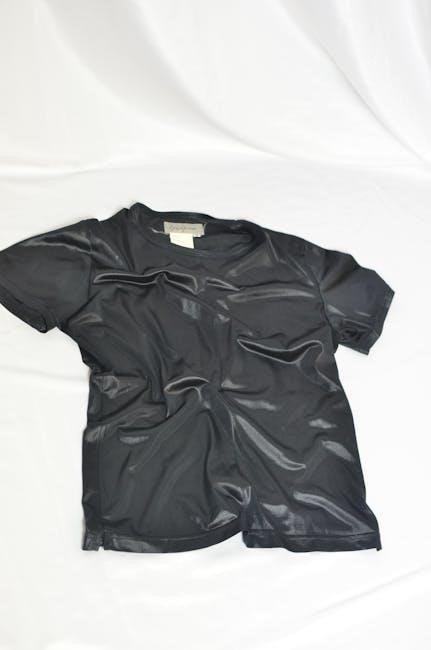
Key measurements for a perfect fit include chest/bust‚ shoulder width‚ sleeve length‚ and overall length․ Accurate measurements are vital for selecting the correct size!
Chest/Bust Measurement
To determine your chest/bust measurement‚ use a flexible measuring tape and measure around the fullest part of your chest‚ keeping the tape parallel to the floor․ Ensure the tape is snug but not tight‚ allowing for comfortable breathing․
For women‚ measure around the fullest part of the bust‚ wearing a non-padded bra for accuracy․ Men should measure around the fullest part of the chest‚ just below the armpits․ Record this measurement in inches or centimeters‚ as required by the specific size chart you are using․
Remember that different brands may have slightly different sizing‚ so always refer to their individual size guide for the most accurate results․ Comparing your measurement to the chart will help you select the appropriate t-shirt size․
Shoulder Measurement
Accurately measuring your shoulder width is vital for a well-fitted t-shirt․ To do this‚ find the point where your shoulder meets your neck‚ and measure across your back to the point where your shoulder meets your arm․ Keep the measuring tape straight and level․
It’s helpful to have someone assist you with this measurement to ensure accuracy․ Alternatively‚ you can stand in front of a mirror and carefully take the measurement yourself․ Record the measurement in inches or centimeters‚ aligning with the size chart’s units․
This measurement is particularly important for determining the correct fit across the shoulders‚ preventing a too-tight or too-loose garment․ Consult the brand’s specific guide for optimal results․
Sleeve Length Measurement
For t-shirts with sleeves‚ determining the correct sleeve length is key for comfort and style․ Start by measuring from the center back of your neck‚ over your shoulder point‚ and down to your wrist bone․ Ensure your arm is slightly bent during measurement․
This measurement dictates how much of your arm the sleeve will cover․ Different styles – short‚ three-quarter‚ or long sleeve – require varying lengths․ Consider your personal preference and the intended look when selecting a size․
Always refer to the specific brand’s size chart‚ as sleeve lengths can vary significantly․ A slightly longer sleeve can be easily rolled up‚ while a too-short sleeve can appear disproportionate․
Length Measurement
Determining the t-shirt length is vital for achieving a flattering silhouette․ Measure from the highest point of the shoulder (where the sleeve and shoulder seam meet) straight down to the desired hemline․ Consider where you want the shirt to fall – at the hips‚ mid-hip‚ or longer․
Standard t-shirt lengths vary‚ impacting overall style․ A shorter length is ideal for tucking in‚ while a longer length offers more coverage and a relaxed look; Remember to account for potential shrinkage after washing․
Always consult the brand’s size chart for accurate length specifications․ Comparing your measurement to the chart ensures a comfortable and proportional fit‚ avoiding a too-short or overly long t-shirt․

T-Shirt Size Charts by Region
T-shirt sizes differ globally! US/Canada‚ UK/Europe‚ and Asia/Australia utilize distinct charts․ Always check the specific regional chart for accurate sizing․
US/Canada T-Shirt Size Chart
For US and Canadian shoppers‚ standard t-shirt sizes typically follow these guidelines․ Small (S) generally fits a chest/bust of 34-36 inches‚ with a length around 27 inches․ Medium (M) suits a 38-40 inch chest/bust and a 28-inch length․

Large (L) accommodates a 42-44 inch chest/bust‚ with a length of approximately 29 inches․ Extra Large (XL) fits a 46-48 inch chest/bust and a 30-inch length․ It’s important to remember these are averages‚ and variations occur between brands․
Always refer to the specific brand’s size chart‚ as some run smaller or larger․ Measuring yourself accurately is key to finding the perfect fit․ Consider the t-shirt’s intended fit – slim‚ regular‚ or loose – when selecting your size․
UK/Europe T-Shirt Size Chart

The UK and European t-shirt sizing differs slightly from US/Canada․ Small (S) typically fits a chest of 36-38 inches (91-96 cm)․ Medium (M) suits a 38-40 inch (96-101 cm) chest․ Large (L) accommodates a 40-42 inch (101-106 cm) chest‚ while Extra Large (XL) fits a 42-44 inch (106-111 cm) chest․
European sizes are often denoted numerically (e․g․‚ 38‚ 40‚ 42‚ 44)‚ corresponding roughly to S‚ M‚ L‚ XL․ Always check the brand’s specific size chart‚ as variations are common․ Length measurements are also important‚ typically around 28-30 inches․
Remember to measure your chest circumference accurately for the best fit․ Consider the t-shirt’s style – slim‚ regular‚ or oversized – when choosing your size․ Converting between UK and European sizes can be necessary․
Asia/Australia T-Shirt Size Chart
Asian t-shirt sizes generally run smaller than those in the US‚ UK‚ or Europe․ A size Small (S) often fits a chest of 33-35 inches (84-89 cm)․ Medium (M) typically suits a 35-37 inch (89-94 cm) chest‚ while Large (L) accommodates 37-39 inches (94-99 cm)․ Australian sizing often aligns more closely with UK standards‚ but variations exist․
When purchasing from Asian brands‚ it’s advisable to order one or two sizes up․ Always consult the specific brand’s size chart‚ as discrepancies are frequent․ Length can also be shorter in Asian cuts․
Accurate chest measurement is crucial․ Consider the fabric and fit – slim‚ regular‚ or loose – when selecting a size․ Be mindful of potential differences between countries within Asia․

Types of T-Shirt Fits
T-shirt fits vary significantly! Slim fit is tailored‚ regular fit offers a classic cut‚ and loose/oversized provides a relaxed‚ comfortable style․
Slim Fit T-Shirts
Slim fit t-shirts are designed to follow the body’s natural lines‚ offering a more tailored and modern silhouette․ These shirts typically have a closer fit through the chest‚ waist‚ and sleeves‚ minimizing excess fabric․
Ideal for those who prefer a sleek‚ streamlined look‚ slim fit t-shirts often showcase the physique․ However‚ it’s crucial to ensure the fit isn’t too tight‚ restricting movement or causing discomfort․
Consider sizing up if you’re between sizes or prefer a slightly more relaxed feel․ Fabric plays a role; a stretchable material like cotton-poly blends enhances comfort in slim fits․ These shirts pair well with jeans‚ chinos‚ or even under jackets for a layered look․

Regular Fit T-Shirts
Regular fit t-shirts represent a classic and versatile style‚ offering a comfortable and balanced silhouette․ These shirts provide ample room through the chest‚ waist‚ and sleeves without being overly baggy․
This fit is designed to drape naturally on the body‚ allowing for ease of movement and breathability․ It’s a universally flattering option suitable for various body types and occasions․
Regular fit t-shirts are a great everyday choice‚ easily paired with jeans‚ shorts‚ or layered under sweaters and jackets․ They generally adhere closely to standard size charts‚ making selection straightforward․ Consider your preferred level of comfort when choosing a size; a slightly looser fit can enhance the relaxed feel․
Loose Fit/Oversized T-Shirts
Loose fit and oversized t-shirts have surged in popularity‚ offering a relaxed and trendy aesthetic․ These shirts are intentionally cut larger‚ providing a roomy and comfortable feel․ They often feature dropped shoulders and a longer length‚ contributing to the relaxed silhouette․
Oversized styles are particularly fashionable‚ often worn as a statement piece or layered for a casual look․ When selecting a loose or oversized t-shirt‚ consider sizing up from your usual size for a truly relaxed fit․
Be mindful that these styles may appear larger than standard sizes‚ so referencing a size chart is crucial․ They pair well with fitted bottoms to balance the proportions‚ creating a stylish and contemporary outfit․
Gender-Specific T-Shirt Sizing
Men’s and women’s t-shirts differ in cut and fit․ Women’s shirts are typically more fitted through the shoulders and waist‚ while men’s are boxier․
Men’s T-Shirt Size Guide
Men’s t-shirt sizing generally follows a standard pattern‚ but variations occur․ Begin by measuring your chest circumference with a flexible tape measure‚ keeping it level and snug but not tight․ Next‚ measure your shoulder width from the edge of one shoulder to the other․
Consult the brand’s specific size chart‚ as sizes can differ․ Typical men’s sizes include Small (S)‚ Medium (M)‚ Large (L)‚ Extra Large (XL)‚ and 2XL‚ extending upwards․ A size L‚ for example‚ often corresponds to a 41-43 inch chest and a 19-20 inch length․
Consider the fit – slim fit will be closer to the body‚ while regular fit offers more room․ Oversized fits are intentionally looser․ Always check the garment’s measurements against your own for the best result․
Women’s T-Shirt Size Guide
Women’s t-shirt sizing can be more nuanced than men’s‚ often considering bust and waist measurements․ Start by measuring your bust circumference at the fullest part‚ ensuring the tape measure is level․ Then‚ measure your waist at the narrowest point․
Refer to the specific brand’s size chart‚ as sizing varies considerably․ Common women’s sizes include XS‚ S‚ M‚ L‚ and XL․ A size M typically aligns with a 36-38 inch bust and a 28-30 inch waist․ Pay attention to whether the chart uses bust or chest measurements․
Consider the t-shirt’s style – fitted‚ relaxed‚ or loose․ Fitted styles require more precise measurements‚ while relaxed fits offer greater flexibility․ Always compare your measurements to the garment’s dimensions for an accurate fit․
Unisex T-Shirt Size Guide
Unisex t-shirts are designed to be worn by anyone‚ regardless of gender‚ but understanding the sizing is key․ Typically‚ unisex sizing runs larger and straighter than women’s cuts‚ and smaller than traditional men’s․ Focus primarily on chest/bust measurement for the best fit․
Measure your chest circumference at the fullest point‚ keeping the tape measure level․ Consult the brand’s specific size chart‚ as variations exist․ A size Medium in unisex often corresponds to a women’s Large or a men’s Small․
Consider the desired fit – a more relaxed‚ boxy style is common for unisex tees․ If you prefer a closer fit‚ you may want to size down․ Check the length measurement to ensure it suits your preference․
Specialty T-Shirt Sizing
Beyond standard sizes‚ options cater to diverse bodies! Children’s sizes differ significantly‚ while tall and plus sizes offer extended length and width ranges․
Children’s T-Shirt Size Guide
Sizing children for t-shirts requires careful attention‚ as they grow rapidly! Unlike adult sizing‚ children’s sizes are often based on age and height‚ rather than body measurements alone․
Typical age ranges include infant (0-24 months)‚ toddler (2T-5T)‚ and children (XS-XL‚ typically 6-14 years)․ However‚ these ranges can vary between brands‚ so always consult the specific size chart․
Key measurements for children include chest/bust and length․ Measuring accurately is vital; don’t assume their size based on age alone․ Consider a slightly larger size to allow for growth and comfort․ Remember that children’s clothing often runs smaller than adult sizes‚ so checking the chart is essential for a perfect fit!
Tall/Plus Size T-Shirt Size Guide
Finding the right fit in t-shirts can be challenging for individuals requiring tall or plus sizes․ Standard size charts often don’t adequately address these body types‚ leading to discomfort or an unflattering look․
Tall sizes prioritize length‚ offering extra fabric in the body and sleeves․ Plus sizes focus on increased chest‚ waist‚ and hip measurements․ Many brands now offer extended sizing‚ but it’s crucial to check their specific charts․
Pay close attention to chest/bust‚ waist‚ and length measurements․ Look for brands that provide detailed size guides with measurements for each size․ Don’t hesitate to size up if you’re between sizes‚ prioritizing comfort․ Consider the fabric; some materials stretch more than others‚ impacting the fit!
How to Measure Yourself for a T-Shirt
Accurate self-measurement is key! Use a flexible measuring tape‚ and ideally‚ have a friend assist․ Measure chest‚ shoulders‚ and length for the best fit․
Using a Flexible Measuring Tape

A flexible measuring tape is essential for obtaining accurate body measurements‚ crucial for selecting the correct t-shirt size․ Avoid using metal or rigid rulers‚ as they won’t conform to your body’s curves․ Ensure the tape measure is level and snug‚ but not overly tight‚ against your skin․
When measuring‚ stand naturally and relax your shoulders․ Don’t pull the tape too tightly‚ as this will result in a smaller measurement․ It’s helpful to have someone assist you‚ especially when measuring your back․ Double-check your measurements to ensure accuracy‚ as even a small error can impact the fit of your t-shirt․ Remember to measure while wearing minimal clothing‚ or ideally‚ just undergarments․
Getting Accurate Measurements
Accuracy is paramount when determining your t-shirt size․ Begin by measuring your chest/bust circumference at the fullest part‚ keeping the tape parallel to the floor․ For shoulder measurements‚ measure from the edge of one shoulder to the other․ Sleeve length is measured from the shoulder point to the wrist․
Length is determined from the high point of the shoulder to the desired hemline․ Record all measurements in inches or centimeters and compare them to the specific brand’s size chart․ Remember‚ size charts vary! Don’t assume your usual size will fit perfectly․ Consider your body shape and desired fit – slim‚ regular‚ or loose – when interpreting the measurements․
Decoding T-Shirt Size Labels
T-shirt labels use standard sizes (S‚ M‚ L‚ XL) or numeric values․ Understanding these codes‚ alongside the brand’s chart‚ is key to finding your perfect fit!
Understanding Size Codes (S‚ M‚ L‚ XL)
Standard size codes – Small (S)‚ Medium (M)‚ Large (L)‚ and Extra Large (XL) – offer a general indication of fit‚ but aren’t universally consistent․ These labels represent ranges of body measurements‚ not precise sizes․ A ‘Medium’ in one brand might fit differently than a ‘Medium’ in another․
Therefore‚ always consult the specific brand’s size chart․ These charts correlate size codes with actual chest‚ waist‚ and length measurements․ Consider that sizing can also vary based on the t-shirt’s intended fit – slim‚ regular‚ or loose․ Don’t rely solely on the code; measure yourself and compare to the chart for the most accurate selection․ Remember to check if the chart refers to body measurements or garment measurements!
Numeric Sizing
Alongside traditional S‚ M‚ L‚ XL codes‚ some brands utilize numeric sizing‚ often expressed in inches or centimeters․ This system provides a more precise fit indication‚ directly correlating to body measurements․ For example‚ a t-shirt might be labeled as size 38 (inches)‚ corresponding to a specific chest circumference․
When encountering numeric sizing‚ accurately measure your chest and compare it to the brand’s size chart․ Ensure you understand whether the chart uses inches or centimeters to avoid errors․ Numeric sizing is particularly common in men’s t-shirts and can offer a more tailored fit than lettered sizes․ Always prioritize the brand’s specific chart‚ as numeric values can still vary between manufacturers․
Materials and Their Impact on Fit
Fabric composition significantly affects t-shirt fit! Cotton tends to shrink‚ while polyester offers stretch․ Blends combine properties‚ impacting drape and overall sizing․

Cotton T-Shirts
Cotton t-shirts are incredibly popular due to their comfort and breathability‚ but understanding their fit characteristics is key․ Generally‚ cotton has minimal stretch‚ so a precise fit is crucial․ Be aware that 100% cotton tends to shrink after washing‚ especially on the first wash‚ so consider sizing up slightly if you prefer a looser fit or anticipate frequent washing․
Different cotton weaves – like jersey or pique – can also affect the drape and feel․ Heavier weight cottons will hold their shape better‚ while lighter weights may be more prone to stretching out․ When referencing a size chart for cotton tees‚ pay close attention to the pre-shrinkage measurements‚ and factor in potential shrinkage when selecting your size; Always check the care label for washing instructions to minimize shrinkage!
Polyester T-Shirts
Polyester t-shirts offer excellent durability and moisture-wicking properties‚ making them ideal for activewear․ Unlike cotton‚ polyester has inherent stretch‚ allowing for a more forgiving fit․ However‚ this stretch also means that polyester tees can sometimes run larger than cotton equivalents‚ so checking the size chart is vital․
Polyester doesn’t shrink significantly with washing‚ maintaining its shape and size over time․ When selecting a polyester t-shirt‚ consider the fabric weight; lighter weights may cling more‚ while heavier weights offer better drape․ Pay attention to the cut – athletic or regular – as this impacts the overall fit․ Refer to body measurements and compare them carefully to the brand’s specific polyester size guide for the best results․
Blended Fabric T-Shirts
Blended fabrics‚ like poly-cotton or tri-blends‚ combine the benefits of different fibers․ These blends often offer a balance of comfort‚ durability‚ and affordability․ Sizing can be more complex with blends‚ as the percentage of each fiber impacts the fit and feel․ A higher cotton content may result in some shrinkage‚ while a higher polyester content will retain shape better․
Tri-blends (cotton‚ polyester‚ rayon) are exceptionally soft and drape well‚ often having a slightly slimmer fit․ Always consult the specific size chart for the blend composition․ Consider how the fabric feels against your skin and whether it has any stretch․ Compare your body measurements to the chart‚ noting any differences in sizing recommendations based on the blend’s fiber content․