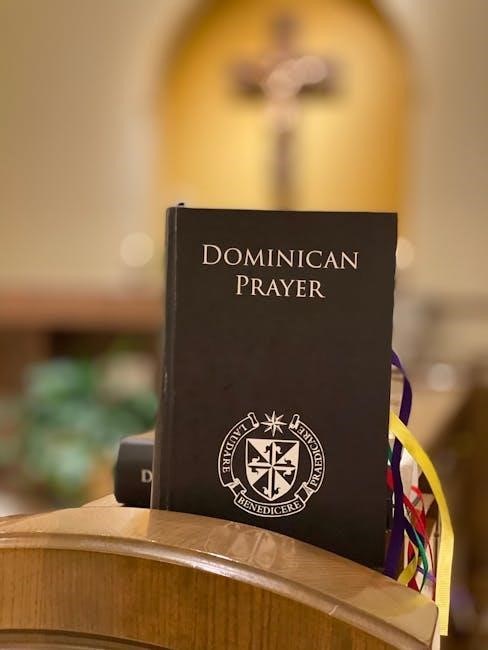
The 1928 Book of Common Prayer PDF: A Comprehensive Guide
Exploring the 1928 BCP in digital format reveals a treasured resource, offering access to its majestic language and liturgical rites via convenient PDF downloads.
Historical Context of the 1928 BCP
The 1928 Book of Common Prayer (BCP) emerged from a period of significant liturgical revision within the Protestant Episcopal Church in the United States of America. Following the 1892 edition, a desire for further refinement and clarity led to a series of proposed amendments in 1919, 1922, and 1925.
These changes culminated in the official adoption of the 1928 BCP, representing a deliberate effort to maintain theological continuity while addressing perceived shortcomings in earlier versions. The revision process, documented in publications from the era, aimed to enhance the book’s usability and theological precision.
This edition quickly became a standard for traditional Anglican worship, valued for its adherence to the King James style of language and its comprehensive collection of liturgical materials. The availability of the 1928 BCP in PDF format today allows for continued access to this historically important text.
Origins and Development
The roots of the 1928 Book of Common Prayer trace back to the 1549 and subsequent revisions of the original Book of Common Prayer established during the English Reformation. These early editions, designed to standardize worship in the Church of England, underwent numerous adaptations over centuries.
The American Episcopal Church, inheriting this tradition, produced its own versions, notably the 1789 and 1892 editions. However, a growing movement sought a return to more traditional language and liturgical practices. This desire fueled the revisions leading to the 1928 BCP, aiming for a balance between historical precedent and contemporary needs.
The PDF versions available today represent a continuation of this developmental journey, preserving a significant milestone in Anglican liturgical history for modern access and study.
The 1928 Revision Process
The creation of the 1928 Book of Common Prayer wasn’t a sudden event, but a deliberate process spanning several years and involving multiple stages of amendment. Initial revisions occurred in 1919, 1922, and 1925, each building upon the previous work.
The General Convention of 1925 proposed further amendments, specifically for ratification in 1928. This involved extensive debate and consideration of proposed changes to the liturgical text. The aim was to refine the prayer book, addressing concerns and incorporating feedback from across the Episcopal Church.

Digitized versions, like the PDF copies, now allow scholars and worshippers to examine this carefully crafted text and understand the evolution of its content.
Key Differences from Previous Editions (1549, 1892)
Compared to the 1549 edition, the 1928 BCP represents centuries of liturgical development, reflecting evolving theological understanding and English language usage. The 1549 book, born of the English Reformation, was significantly different in structure and content.
Against the 1892 revision, the 1928 edition maintained a more traditional approach, resisting some of the more modernizing tendencies of its predecessor. While the 1892 version sought greater simplicity, the 1928 BCP preserved the richer, more formal language favored by many.
PDF versions allow easy comparison, highlighting these shifts in style and theological emphasis across the centuries of prayer book history.

Availability of the 1928 BCP in PDF Format
Numerous sources offer the 1928 Book of Common Prayer as a free PDF, alongside authorized publisher options and commercial digital versions for convenient access.
Sources for Free PDF Downloads
Accessing the 1928 Book of Common Prayer in PDF format doesn’t always require a purchase. Several online archives and websites dedicated to religious texts provide free downloadable copies. The Internet Archive, for instance, hosts digitized versions, including the 1925 revision proposed for the 1928 ratification, offering a glimpse into the developmental stages.
Furthermore, dedicated websites like bcp-1928.pdf0 offer certified copies of the prayer book, presented as PDF files or viewable online. These resources are invaluable for individuals seeking to study or utilize the 1928 BCP without incurring costs. However, users should always verify the source’s reliability and ensure the PDF is complete and accurately represents the official text. Careful consideration of copyright and usage rights is also recommended when utilizing freely available digital copies.
Authorized Publishers and Commercial PDFs

For those preferring a professionally produced and guaranteed accurate copy, several authorized publishers offer the 1928 Book of Common Prayer in PDF format for purchase. Oxford University Press stands out as a reputable source, providing a high-quality edition (ISBN: 9780195285062) available through platforms like Amazon.com.
Commercial PDFs often include enhanced features such as improved formatting, clear typography, and potentially, embedded search capabilities. Purchasing from authorized publishers supports the ongoing preservation and accessibility of this important liturgical text. While free options exist, commercial versions ensure adherence to copyright regulations and provide a reliable, standardized resource for personal or communal use. These editions are particularly valuable for formal liturgical settings and scholarly research.
Legality and Copyright Considerations
Navigating the digital landscape of the 1928 Book of Common Prayer requires awareness of copyright laws. While the original 1928 text is in the public domain in the United States, specific editions – particularly those with new introductions, annotations, or formatting – may retain copyright protection.
Downloading PDFs from unofficial sources could potentially infringe on these rights. Utilizing PDFs from authorized publishers, like Oxford University Press, ensures legal compliance and supports the creators of these enhanced editions. Free downloads should be carefully vetted to confirm their legitimacy and avoid any copyright violations. Respecting intellectual property is crucial when accessing and utilizing this treasured liturgical resource.

Content and Structure of the 1928 Book of Common Prayer
The 1928 BCP’s PDF contains the complete order of services, daily offices, liturgical calendar, and rites for baptism and marriage ceremonies.
The Order of Service: Holy Communion
Within the 1928 Book of Common Prayer PDF, the Holy Communion service represents a central and meticulously structured element of worship. The PDF faithfully reproduces the traditional order, beginning with the Decalogue and Versicles, progressing through the Collect, Epistle, and Gospel readings.
Detailed rubrics guide the celebrant and congregation through the presentation of the alms, the Comfortable Words, the Prayer of Humble Access, and the Sanctus. The Canon of the Holy Communion, with its profound theological statements and petitions, is presented in its entirety.
Following the consecration, the PDF showcases the administration of the Sacrament, the Gloria in Excelsis, and the final benediction. This section, as presented in the PDF, embodies the rich liturgical heritage and theological depth characteristic of the 1928 edition, offering a complete and accessible guide for celebrating the Eucharist.
Daily Office: Morning and Evening Prayer
The 1928 Book of Common Prayer PDF provides complete and readily accessible forms for the Daily Office – Morning and Evening Prayer. These services, foundational to Anglican devotional life, are presented with their traditional structure and appointed Psalms.
The PDF meticulously details the order, beginning with the Invocation, the Psalms, Lessons from Scripture (Old and New Testaments), the Apostles’ Creed, the Lord’s Prayer, and concluding with the Collects. Variations for different days of the week are clearly indicated within the PDF’s layout.
The provision of these services in PDF format allows for convenient personal or communal recitation, preserving the rhythm and discipline of daily prayer as intended by the 1928 BCP. It’s a cornerstone of consistent spiritual practice.
Liturgical Calendar and Holy Days

The 1928 Book of Common Prayer PDF comprehensively outlines the liturgical year, detailing the proper observances for each day and season. This includes a complete calendar indicating the appointed readings, colors, and special forms for Sundays and Holy Days.

Within the PDF, users can easily navigate to find the specific Collects, Epistles, and Gospels designated for each date. It meticulously lists moveable feasts like Easter and Pentecost, alongside fixed observances such as Christmas and the Feast Days of Saints.
The digital format allows for quick reference and planning of services, ensuring adherence to the traditional Anglican liturgical schedule as established in the 1928 edition. It’s a vital resource for liturgical planning.
Baptismal and Marriage Rites
The 1928 Book of Common Prayer PDF provides complete and traditional rites for the sacraments of Baptism and Holy Matrimony. These sections offer detailed instructions for both private and public ceremonies, reflecting the established Anglican practices of the time.
The PDF includes various forms for Baptism, accommodating both infant and adult candidates, alongside the accompanying prayers and exhortations. For Marriage, it presents the full service, including the Declaration, Consent, and Blessing.
These rites, readily accessible within the digital document, are often utilized by communities valuing the historical liturgical forms. The PDF format allows for easy printing of service sheets and personal study of these significant sacramental ceremonies.

Language and Style of the 1928 BCP
The 1928 BCP’s language, deeply influenced by the King James Bible, employs a majestic style, presenting archaic phrasing for reverent liturgical expression.
The Influence of the King James Bible
The profound impact of the 1611 King James Version of the Bible on the 1928 Book of Common Prayer is undeniable. The revisers deliberately sought to maintain the cadence and rhetorical power characteristic of the KJV, believing its language held a unique spiritual resonance. This choice wasn’t merely stylistic; it was a theological one, connecting the Prayer Book directly to a revered translation deeply embedded in the Anglican tradition.
Phrases and rhythms echo throughout the 1928 BCP, lending a sense of familiarity and solemnity to the liturgy. The deliberate archaism wasn’t intended to obscure meaning, but rather to elevate it, creating a sense of distance from the mundane and proximity to the divine. This conscious stylistic decision contributes significantly to the Prayer Book’s enduring appeal and perceived beauty.
Archaic Language and Modern Interpretation
The 1928 Book of Common Prayer’s language, while beautiful, presents challenges for modern readers accustomed to contemporary English. Words like “thee” and “thou,” alongside complex sentence structures, require careful consideration. However, dismissing the language as simply “old-fashioned” overlooks its intentionality and theological depth.
Modern interpretation necessitates understanding the historical context and literary conventions of the early 20th century, and even further back to the KJV’s influence. Resources like commentaries and study guides can illuminate the nuances of the text. Ultimately, engaging with the archaic language fosters a deeper appreciation for the Prayer Book’s rich heritage and invites a more contemplative approach to worship.
Theological Nuances in the Text
The 1928 Book of Common Prayer isn’t merely a collection of prayers; it embodies a specific theological perspective within the Anglican tradition. Subtle choices in wording reflect a carefully balanced approach to sacramental theology, the authority of Scripture, and the role of tradition.
Examining the Eucharistic prayers, for instance, reveals a high view of the Real Presence, though expressed with characteristic Anglican reserve. The Collects demonstrate a profound understanding of human need and divine grace. Accessing the PDF allows close textual study, revealing these theological subtleties often missed in casual reading, fostering a richer understanding of Anglican faith.

Use and Significance Today
The 1928 BCP PDF remains vital for traditional Anglican communities, scholarly liturgical study, and continues to influence contemporary prayer book revisions.
Traditional Anglican Communities
For many traditional Anglican communities, the 1928 Book of Common Prayer represents a cornerstone of their worship and identity. Its enduring appeal lies in its theological depth and the beauty of its language, deeply rooted in the King James Bible tradition. The readily available PDF format allows for easy access and use within these congregations, facilitating consistent liturgical practice.
These communities often prioritize the historical continuity embodied by the 1928 edition, viewing it as a faithful expression of Anglican heritage. The PDF version enables widespread distribution and personal study, strengthening devotional life. It’s a practical resource for parishes maintaining a traditional worship style, offering a tangible link to the past while remaining accessible in the digital age. The PDF’s portability also supports individual prayer and study outside of church services.
Scholarly Study of Liturgy
The 1928 Book of Common Prayer, accessible in PDF format, serves as a vital primary source for liturgical scholars. Researchers utilize it to analyze the evolution of Anglican worship, tracing the development of prayers, ceremonies, and theological expression. The PDF’s searchability allows for efficient examination of specific phrases, rubrics, and theological concepts within the text.
Comparative liturgical studies benefit greatly from the readily available digital version, enabling detailed analysis alongside earlier and later prayer book editions. Scholars investigate the influence of the King James Bible on the BCP’s language and explore the nuances of its theological underpinnings. The PDF format facilitates the creation of concordances and textual analyses, furthering academic understanding of this significant liturgical work and its historical context.
Influence on Contemporary Prayer Books
Despite its age, the 1928 Book of Common Prayer, now widely available as a PDF, continues to exert a subtle yet significant influence on contemporary prayer book revisions. Its dignified language and carefully crafted liturgical forms have served as a benchmark for maintaining theological depth and reverence in worship.
Modern prayer books often retain elements of the 1928 BCP’s structure and phrasing, even as they incorporate more inclusive language and contemporary theological perspectives. The PDF allows easy comparison, revealing the enduring legacy of its liturgical principles. Scholars and liturgical commissions frequently reference the 1928 edition when considering revisions, seeking to balance tradition with modern sensibilities, ensuring a connection to Anglican heritage.

Technical Aspects of PDF Versions
PDF versions of the 1928 BCP vary in file size; however, most offer searchability, printing capabilities, and annotation features for enhanced study.
File Size and Compatibility
The digital footprint of 1928 Book of Common Prayer PDFs can fluctuate considerably, dependent on factors like scanning resolution and inclusion of supplemental materials. Generally, a text-based PDF, derived from OCR (Optical Character Recognition) of a physical copy, will be relatively small, often under 10MB. Conversely, PDFs created from high-resolution scans of the original printed book can easily exceed 50MB, or even 100MB, particularly if they include detailed illustrations or complex formatting.
Compatibility is generally quite broad. Most modern operating systems – Windows, macOS, Linux – and mobile platforms (iOS, Android) natively support PDF viewing. Standard PDF readers like Adobe Acrobat Reader, Foxit Reader, and Preview (on macOS) will reliably open and display these files. However, older systems or less common devices might require updated PDF reader software to ensure proper rendering of the text and formatting. Accessibility features, like text-to-speech, may also depend on the capabilities of the specific PDF reader used.
Searchability and Accessibility Features
The searchability of a 1928 Book of Common Prayer PDF hinges critically on whether it’s a “true” PDF – meaning it contains selectable, searchable text – or a scanned image. PDFs created using OCR technology allow users to quickly locate specific prayers, hymns, or liturgical terms. However, image-based PDFs require OCR processing after download to enable searching, potentially introducing errors.
Accessibility features vary. Some PDFs offer adjustable font sizes, color contrast options, and compatibility with screen readers, benefiting visually impaired users. However, many older or poorly created PDFs lack these features. Features like text-to-speech functionality depend on the PDF reader used, not necessarily the PDF itself. Ensuring accessibility requires seeking out PDFs specifically designed with these considerations in mind, or utilizing assistive technology alongside standard PDF viewers.
Printing and Annotation Options
PDF versions of the 1928 Book of Common Prayer offer versatile printing capabilities, allowing users to print the entire book or select specific sections. Print settings can be adjusted for duplex printing to conserve paper, and page ranges can be customized for focused study or liturgical use. However, print quality depends on the PDF’s resolution and the printer’s capabilities.
Annotation features, available through most PDF readers, enable highlighting, underlining, and adding notes directly to the text. This is invaluable for personal study, sermon preparation, or marking frequently used passages. Some PDFs may have security restrictions preventing annotation, while others allow for permanent or temporary notes. Digital annotation offers a non-destructive way to engage with the text, preserving the original content while adding personalized insights.