
Embarking on a 30-day juice fast requires careful consideration; while potentially effective, it carries risks, demanding a swift return to solid foods to avoid illness․
What is a Juice Fast?
A juice fast is a dietary practice involving the consumption of only fruit and vegetable juices for a specific period, typically ranging from a few days to several weeks, like our 30-day plan․ It’s a more intense form of detoxification than simply increasing juice intake alongside a regular diet․
During a juice fast, solid foods are completely eliminated․ This allows the digestive system to rest and potentially heal, as it isn’t burdened with breaking down complex foods․ The idea is that this rest enables the body to focus on eliminating toxins and repairing cells;
Juices provide readily available vitamins, minerals, and antioxidants, offering nutritional support without the fiber found in whole fruits and vegetables․ However, it’s crucial to remember that juice fasting isn’t a long-term dietary solution, and careful preparation and reintroduction of solid foods are essential for safety and sustained well-being․
Potential Benefits of a 30-Day Juice Fast
A well-executed 30-day juice fast may offer several potential benefits, though individual results can vary significantly․ Many proponents report increased energy levels as the body isn’t expending energy on digestion․ Weight loss is also common, primarily due to the reduced caloric intake, but it’s crucial to focus on healthy weight management post-fast․
Furthermore, a juice fast can potentially support detoxification processes, aiding the body in eliminating accumulated toxins․ Some individuals experience improved skin clarity and reduced inflammation․ It may also encourage a greater awareness of food choices and a healthier relationship with eating․
However, it’s vital to approach these benefits with realistic expectations and prioritize safety․ A juice fast is not a cure-all and should be undertaken with careful planning and, ideally, under the guidance of a healthcare professional․
Risks and Considerations Before Starting
Undertaking a 30-day juice fast presents inherent risks and requires careful consideration․ The most significant concern is potential nutrient deficiencies due to the lack of solid food, potentially leading to serious health complications․ Individuals may experience weakness, dizziness, and even organ dysfunction if not properly monitored․
Pre-existing medical conditions, such as diabetes, kidney disease, or eating disorders, can be exacerbated by juice fasting․ It’s crucial to understand that a juice fast isn’t suitable for everyone․ Furthermore, the rapid detoxification process can cause unpleasant side effects like headaches, fatigue, and digestive upset․
Before commencing, a thorough self-assessment and consultation with a healthcare professional are paramount to determine suitability and mitigate potential risks․ Ignoring these precautions could have severe consequences․
Preparation Phase (Days 1-3)
Begin easing into the fast by gradually reducing solid foods, prioritizing fruits and vegetables, and increasing hydration to support your body’s natural detox processes․
Gradual Reduction of Solid Foods
The initial phase focuses on gently transitioning away from solid foods to minimize discomfort and support the body’s adaptation․ Start by eliminating processed foods, refined sugars, and unhealthy fats․ Then, progressively reduce your intake of meat, dairy, and grains over the first three days․
Day one, aim for one less solid food meal, replacing it with a larger serving of fruits or vegetables․ Day two, reduce to two smaller solid food meals, and day three, consume only one very light, easily digestible solid food meal – perhaps a small salad with lean protein․
This gradual approach prevents shocking the digestive system and helps mitigate potential withdrawal symptoms․ Listen to your body and adjust the pace if needed, ensuring you remain adequately nourished with nutrient-rich alternatives during this preparatory period․
Increasing Fruit and Vegetable Intake
Alongside reducing solid foods, significantly increase your consumption of fresh fruits and vegetables during the preparation phase․ This provides essential vitamins, minerals, and antioxidants, priming your body for the juice fast․ Focus on a wide variety of colors to ensure a broad spectrum of nutrients․
Incorporate smoothies and salads into your daily meals, emphasizing leafy greens, berries, and colorful vegetables like carrots and beets․ Aim for at least five servings of fruits and vegetables each day, gradually increasing this number as you reduce solid food intake․
This shift not only nourishes your body but also prepares your digestive system for processing liquids, making the transition to a juice-only diet smoother and more comfortable․ Prioritize organic produce whenever possible to minimize exposure to pesticides․
Hydration and Detox Support
Adequate hydration is paramount during the preparation phase, and throughout the entire 30-day juice fast․ Water is crucial for flushing out toxins released during the detox process and maintaining optimal bodily functions․ Aim to drink at least eight glasses of filtered water daily, and even more if you are physically active․
Support your body’s natural detoxification pathways by incorporating herbal teas like dandelion root or milk thistle, known for their liver-cleansing properties․ Consider adding lemon to your water, as it aids digestion and provides a vitamin C boost․
Avoid sugary drinks, caffeine, and alcohol, as these can hinder the detoxification process and exacerbate potential withdrawal symptoms․ Proper hydration and detox support will significantly enhance your fasting experience․
Juice Fast Phase (Days 4-27)
This intensive phase centers around consuming only fresh juices for 24 days, prioritizing nutrient intake while allowing the body to deeply cleanse and rejuvenate itself․
Recommended Juice Recipes
Variety is key during your juice fast, ensuring a broad spectrum of nutrients and preventing palate fatigue․ Experimenting with different combinations will also help you discover flavors you genuinely enjoy, making the process more sustainable․
Focus on incorporating a balance of greens, fruits, and root vegetables․ Green juices provide essential vitamins and minerals, while fruit juices offer natural sweetness and hydration․ Root vegetable juices are grounding and rich in beneficial compounds․
Don’t be afraid to get creative! Some excellent starting points include kale, spinach, cucumber, celery, apples, berries, carrots, beets, and ginger․ Remember to always use fresh, organic produce whenever possible to maximize nutritional benefits and minimize exposure to harmful pesticides․
Adjust recipes to your taste preferences, but aim for a predominantly vegetable-based intake to maintain stable blood sugar levels․
Green Juice Recipes
Green juices are the cornerstone of a nourishing juice fast, delivering a potent dose of vitamins, minerals, and chlorophyll․ These recipes prioritize leafy greens for maximum benefit․
Beginner’s Green: Combine 1 cucumber, 4 celery stalks, 1 green apple, and a handful of spinach․ This is a mild and hydrating option, perfect for easing into green juices․
Detoxifying Green: Blend 1 cup kale, ½ lemon (with peel), 2 celery stalks, and a small piece of ginger․ Ginger aids digestion and reduces inflammation․
Energy Boost Green: Mix 1 cup spinach, ½ green apple, ¼ avocado (for healthy fats), and a sprig of parsley․ Avocado adds creaminess and sustained energy․
Remember to adjust quantities to your liking and always use fresh, organic ingredients․ Experiment with adding other greens like romaine lettuce or collard greens for variety․
Fruit Juice Recipes
Fruit juices provide natural sweetness and a quick energy boost during your juice fast, but should be consumed in moderation due to their higher sugar content․ These recipes offer delicious and revitalizing options․
Apple-Berry Bliss: Combine 2 apples (Granny Smith or Fuji), ½ cup mixed berries (strawberries, blueberries, raspberries), and a squeeze of lemon juice․ This is a classic, antioxidant-rich blend․

Tropical Sunrise: Blend 1 orange, ½ pineapple, and a small piece of mango․ This juice is packed with Vitamin C and enzymes for digestion․
Peach-Pear Delight: Mix 1 peach, 1 pear, and a dash of cinnamon․ Cinnamon adds warmth and helps regulate blood sugar levels․
Remember to prioritize lower-sugar fruits like berries and apples, and always balance fruit juices with green juices throughout the day for optimal health benefits․
Root Vegetable Juice Recipes
Root vegetables are incredibly grounding and nutrient-dense, offering essential minerals and supporting detoxification during your 30-day juice fast․ They provide sustained energy and help stabilize blood sugar levels․
Beet-Carrot-Ginger Boost: Combine 1 beet, 3 carrots, and a ½ inch piece of ginger․ Ginger aids digestion and reduces inflammation; This is a powerful, revitalizing blend․
Sweet Potato-Apple Fusion: Blend ½ sweet potato, 1 apple, and a pinch of nutmeg․ Nutmeg adds a warm, comforting flavor and supports liver function․
Turnip-Celery Cleanser: Mix 1 turnip, 2 celery stalks, and a squeeze of lemon․ This juice is excellent for cleansing and promoting healthy digestion․
Remember to rotate your root vegetable choices to ensure a broad spectrum of nutrients and avoid potential sensitivities․
Daily Juice Intake Guidelines
Maintaining adequate hydration and nutrient intake is crucial during your 30-day juice fast․ Aim for a minimum of 64 ounces (approximately 8 glasses) of fresh juice daily, spread throughout the waking hours․
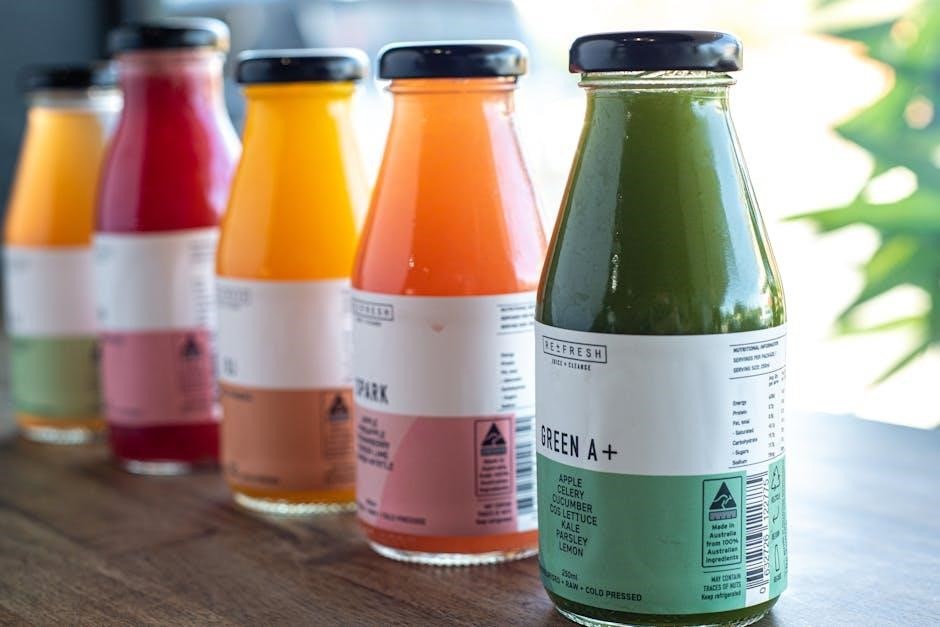
Begin with smaller portions, around 8-12 ounces per serving, and adjust based on your hunger and energy levels․ Don’t feel compelled to finish a juice if you’re feeling full․
Prioritize variety, incorporating green, fruit, and root vegetable juices throughout the day․ This ensures a balanced intake of vitamins, minerals, and antioxidants․
Listen to your body’s signals; some days you may require more juice than others․ Supplement with herbal teas and plenty of water between juice servings to stay hydrated․
Managing Hunger and Cravings
Hunger and cravings are common during a juice fast, especially in the initial days as your body adjusts․ Recognize that true physical hunger differs from emotional cravings․ Distinguish between the two by pausing and assessing your feelings․
Increase your juice intake when experiencing physical hunger, opting for nutrient-dense green juices; Distract yourself from cravings with activities like gentle walks, reading, or meditation․
Stay hydrated; often, thirst is mistaken for hunger; Herbal teas can also provide comfort and satiety․

Acknowledge and accept your cravings without judgment․ Remind yourself of your goals and the benefits of the fast․
Dealing with Detox Symptoms (Headaches, Fatigue)
Detox symptoms like headaches and fatigue are common as your body releases toxins․ These are generally temporary and indicate the fast is working․ Hydration is crucial; drink plenty of water and herbal teas to flush out toxins and alleviate headaches․
Rest is paramount․ Reduce physical activity and prioritize sleep to allow your body to heal․ Gentle stretching or yoga can help ease muscle tension․
Consider a clay bath or Epsom salt soak to draw out toxins through the skin․
If headaches are severe or persistent, reduce the fast’s intensity or consult a healthcare professional․ Listen to your body and adjust accordingly․
Bowel Movement Management During the Fast
Changes in bowel movements are expected during a juice fast․ Initially, you may experience more frequent movements as the colon clears out accumulated waste․ This is a positive sign of detoxification․
Constipation can occur due to the lack of fiber from solid foods․ Increase your juice intake, particularly juices with apple or pear, which have mild laxative effects․
Consider a gentle natural laxative like prune juice or flaxseed meal (if permitted within your fast guidelines)․

Listen to your body and avoid forcing bowel movements․ If constipation persists, consult a healthcare professional․ Maintaining hydration is also key to regular bowel function․
Physical Activity During the Fast
Maintaining some level of physical activity during a 30-day juice fast is beneficial, but moderation is crucial․ Avoid strenuous workouts that could deplete your energy reserves․
Gentle exercises like walking, yoga, or light stretching are ideal․ These activities support circulation, detoxification, and mental wellbeing without overtaxing your system․
Pay close attention to your body’s signals․ If you feel weak, dizzy, or fatigued, rest immediately․
Reduce your usual exercise intensity by at least 50-75%․ The focus should be on gentle movement and mindful connection with your body, rather than pushing physical limits․ Prioritize restorative activities․
Mental and Emotional Wellbeing During the Fast
A 30-day juice fast isn’t just a physical cleanse; it’s a profound mental and emotional journey․ Expect fluctuations in mood and heightened sensitivity․
Detoxification affects the nervous system, potentially triggering emotional release․ Allow yourself to feel these emotions without judgment․
Practice mindfulness, meditation, or journaling to process your feelings․ Engage in activities that nurture your spirit, such as spending time in nature, listening to calming music, or reading inspiring literature․
Social support is vital․ Connect with friends, family, or a support group to share your experiences and receive encouragement․ Remember self-compassion is key during this transformative process․
Transition Phase (Days 28-30)
Carefully reintroduce solid foods over three days, starting with small portions of easily digestible options to gently reactivate your digestive system․
Reintroducing Solid Foods – Day 28
Day 28 marks the pivotal first step in gently reintroducing solid foods after your 30-day juice fast․ This day isn’t about large meals, but rather a careful assessment of your digestive system’s readiness․ Begin with a very small portion – perhaps a quarter of a cup – of a single, easily digestible food․
Excellent choices include well-cooked, soft vegetables like steamed asparagus or carrots, or a small serving of ripe avocado․ Focus on chewing thoroughly and observing how your body responds over the next few hours․ Any signs of discomfort, such as bloating, gas, or nausea, indicate you may need to slow down the process․
Prioritize organic options whenever possible․ The goal is to nourish your body without overwhelming it․ Continue to drink plenty of water throughout the day to aid digestion and support the detoxification process․ Remember, patience is key during this delicate transition․
Soft Foods and Easily Digestible Meals – Day 29
Building upon Day 28, Day 29 expands your food choices to include slightly more variety, but still prioritizes soft, easily digestible meals․ Continue to avoid processed foods, refined sugars, and heavy fats․ Consider adding well-cooked oatmeal with a small amount of fruit, or a simple vegetable broth-based soup․
Steamed or baked sweet potatoes are another excellent option, providing gentle nourishment and essential nutrients․ Small portions of lean protein, like poached chicken or fish, can also be introduced, ensuring they are thoroughly cooked and easy to chew․
Pay close attention to your body’s signals, increasing portion sizes gradually only if you feel comfortable․ Hydration remains crucial; continue drinking plenty of water and herbal teas․ This phase is about rebuilding digestive strength and establishing a foundation for a healthy, balanced diet․
Gradual Return to a Balanced Diet – Day 30
Day 30 marks the culmination of your 30-day journey, focusing on a continued, yet more expansive, return to a balanced and nourishing diet․ You can now incorporate a wider range of fruits, vegetables, whole grains, and lean proteins․ However, mindful eating is paramount – savor each bite and listen to your body’s fullness cues․
Continue to prioritize whole, unprocessed foods, limiting sugar, caffeine, and alcohol․ Introduce healthy fats like avocado and olive oil in moderation․ Experiment with different recipes and flavors, but maintain a focus on nutrient density․

This isn’t a free-for-all; it’s a transition to a sustainable lifestyle․ Reflect on how you feel and adjust your diet accordingly․ Remember the benefits of the fast and strive to maintain a healthy relationship with food․
Post-Fast Diet and Lifestyle
Sustaining post-fast wellness demands mindful food choices, prioritizing whole foods and hydration, while avoiding processed items for long-term health benefits․
Foods to Avoid After the Fast
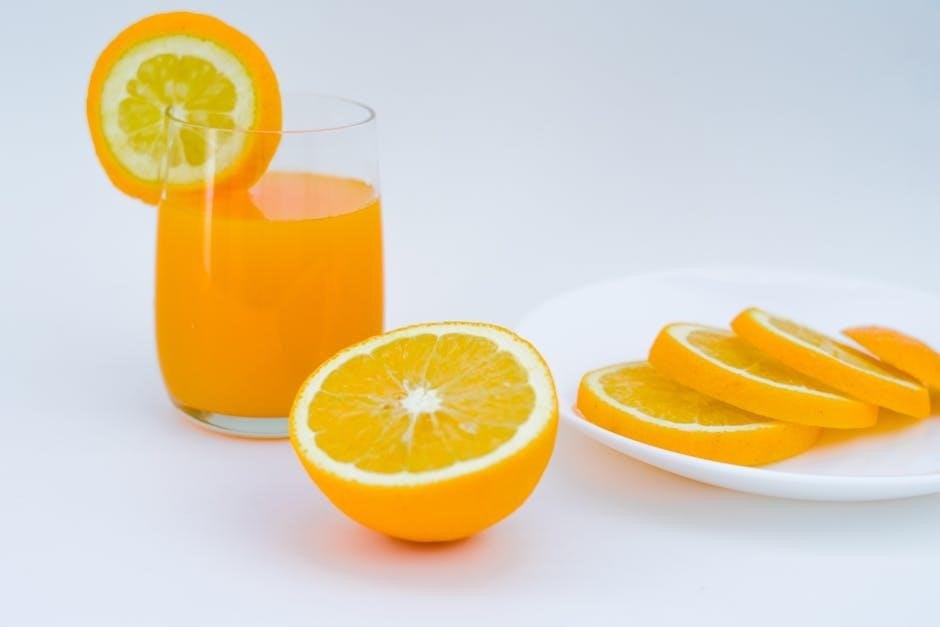
Following a 30-day juice fast, reintroducing foods requires a cautious approach․ Initially, steer clear of heavily processed foods, refined sugars, and artificial sweeteners, as your digestive system is delicate․ Avoid dense, difficult-to-digest proteins like red meat and processed meats; these can overwhelm your system․
Dairy products, due to their potential to cause inflammation and mucus production, should also be avoided in the immediate post-fast period․ Similarly, limit or eliminate gluten-containing grains like wheat, barley, and rye․ Fried foods and excessive fats are challenging to digest and can hinder your body’s recovery․
Caffeine and alcohol should be avoided as they can disrupt the detoxification process and negatively impact your energy levels․ Focus on easily digestible, nutrient-rich foods to support your body’s transition back to solid food consumption and maintain the benefits gained during the fast․
Foods to Emphasize in Your Diet
Post-juice fast, prioritize easily digestible, nutrient-dense foods to rebuild and nourish your body․ Begin with fresh, organic fruits and vegetables, especially those easily assimilated like steamed greens, berries, and ripe bananas․ Incorporate healthy fats from sources like avocados, nuts, and seeds in moderation to support cellular function․
Lean protein sources, such as fish or legumes, can be gradually introduced to aid in muscle repair and overall recovery․ Whole grains like quinoa and brown rice provide sustained energy without causing digestive distress․ Herbal teas and plenty of water are crucial for continued hydration and detoxification․
Focus on incorporating probiotic-rich foods like fermented vegetables to restore gut health․ Prioritizing these foods will help maintain the positive effects of the fast and establish a foundation for long-term wellness․
Maintaining Hydration Post-Fast
Rehydration is paramount after a juice fast, as the body needs to replenish lost fluids and electrolytes․ Continue to drink plenty of water throughout the day – aim for at least eight glasses – to support detoxification and optimal organ function․ Herbal teas, particularly those with diuretic properties like dandelion or ginger, can further aid in flushing out toxins․
Incorporate water-rich fruits and vegetables, such as watermelon, cucumbers, and celery, into your diet to boost hydration levels․ Avoid sugary drinks and excessive caffeine, as these can dehydrate the body․ Listen to your body’s thirst cues and drink whenever you feel thirsty․
Proper hydration is essential for maintaining energy levels, supporting digestion, and promoting overall wellbeing during the transition back to solid foods․
Long-Term Health and Wellness
A 30-day juice fast isn’t a quick fix, but a catalyst for sustained lifestyle changes․ To maintain the benefits, prioritize a whole-food, plant-based diet rich in fruits, vegetables, and healthy fats․ Regular physical activity is crucial – incorporate both cardio and strength training into your routine․
Mindfulness and stress management techniques, like meditation or yoga, can support emotional wellbeing and prevent reverting to unhealthy habits․ Prioritize sleep, aiming for 7-8 hours of quality rest each night․
Regular check-ups with your healthcare provider are essential for monitoring your health and addressing any concerns․ Embrace this journey as a commitment to long-term vitality and a healthier, happier you․

Important Safety Precautions
Prior to starting, consult a healthcare professional․ Juice fasting isn’t suitable for everyone, with specific contraindications needing careful evaluation and medical guidance․
Consulting a Healthcare Professional

Before initiating a 30-day juice fast, a thorough consultation with a qualified healthcare professional is absolutely crucial․ This isn’t merely a suggestion, but a vital safety precaution․ Individuals with pre-existing medical conditions – such as diabetes, kidney disease, heart problems, or eating disorders – should never undertake a juice fast without explicit medical clearance․
Your doctor can assess your overall health, review your current medications, and determine if a juice fast is appropriate for you․ They can also help monitor your health throughout the fast, addressing any potential complications that may arise․ Discuss potential interactions between the fast and any medications you are taking․
Furthermore, a healthcare professional can provide personalized guidance on electrolyte balance, hydration strategies, and safe refeeding protocols, maximizing the benefits and minimizing the risks associated with this intensive dietary change․
Contraindications for Juice Fasting
Certain individuals should absolutely avoid a 30-day juice fast due to potential health risks․ This includes pregnant or breastfeeding women, as the nutritional demands during these periods are significantly increased and cannot be met by juice alone․ Individuals with a history of eating disorders are also strongly advised against juice fasting, as it can exacerbate unhealthy patterns․
Those with type 1 or type 2 diabetes require particularly careful consideration, as juice fasts can dramatically impact blood sugar levels․ Similarly, people with kidney disease should avoid juice fasting due to the increased strain on the kidneys․ Individuals taking medications that require consistent food intake should also refrain․

Finally, anyone with a compromised immune system or a serious underlying health condition should not attempt a juice fast without direct medical supervision and approval․